C JEAN | First Participation Questionnaire
Brand information / About the designer
── What inspired you to become a fashion designer? Describe developments leading up to the brand launch.
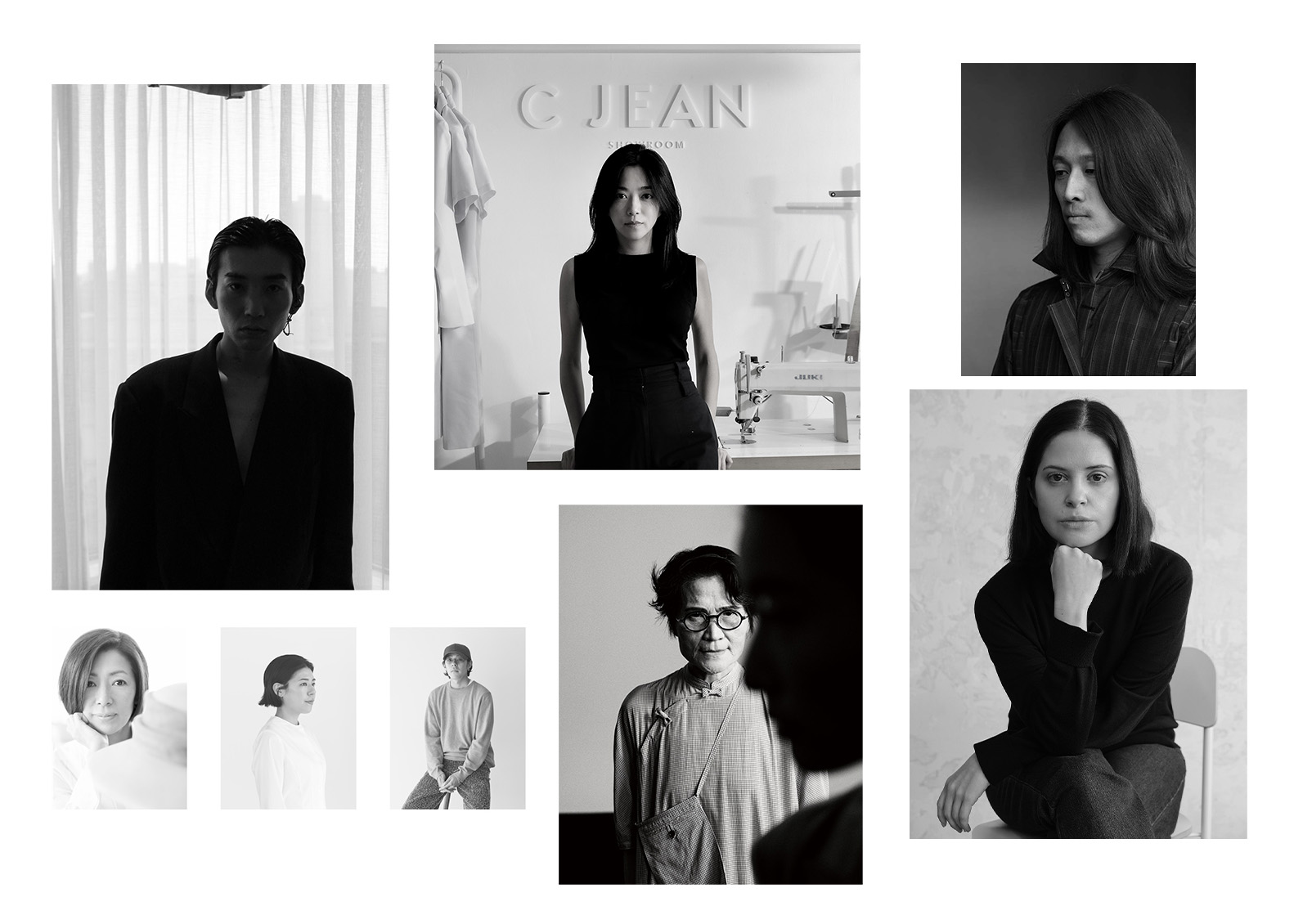
My father’s work involved creating interior spaces. As a child, I watched empty places gradually become spaces for living and feeling through imagination, materials, and human hands. This process of creating something from nothing was my earliest creative education. It taught me that creativity is not separate from everyday life, but a way of observing and reimagining it.
I later studied fine art in the United States and New Zealand, followed by fashion in Taiwan and London. During my studies, I happened to discover Pina Bausch’s stage works and Yohji Yamamoto’s fashion through classes and recorded visual materials. These encounters helped me understand that clothing could be more than form—it could become a medium connecting the body, emotion, thought, and space.
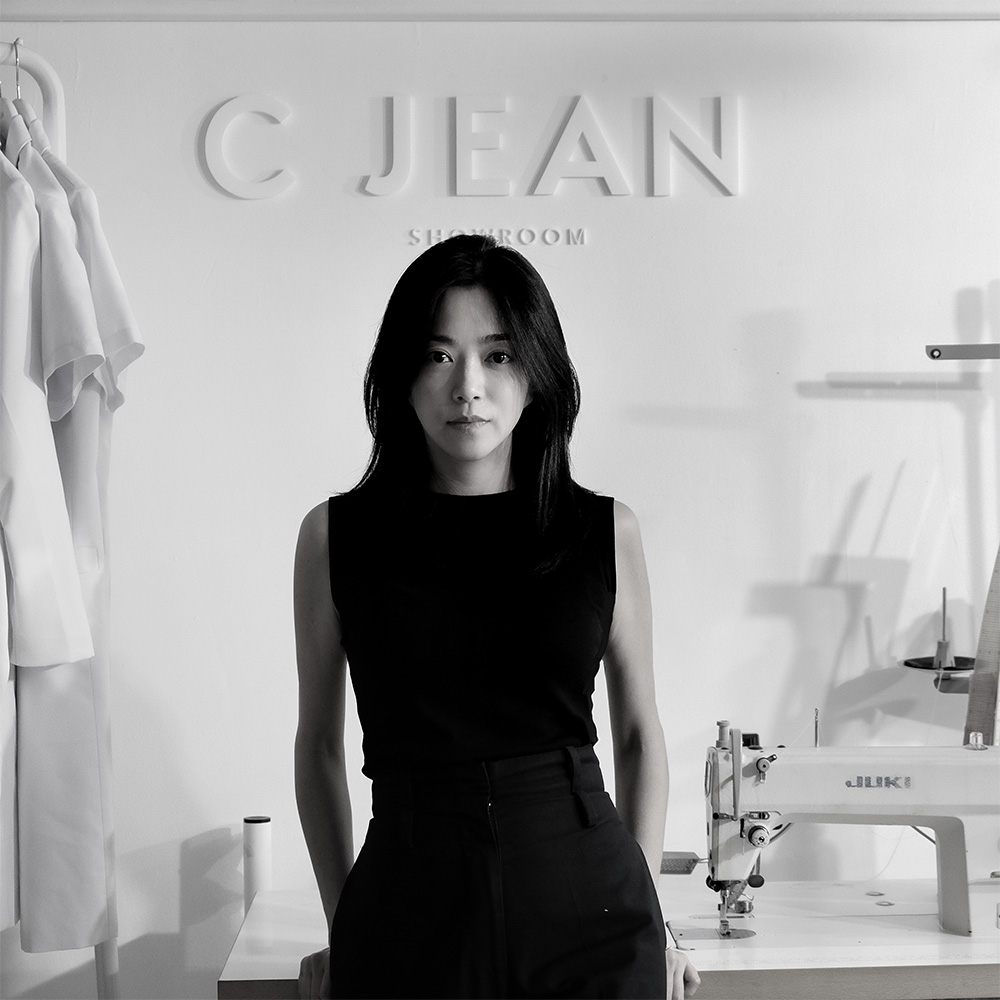
Following internships at Alexander McQueen and Hussein Chalayan, as well as professional experience within fashion brands, I founded C JEAN in 2019 as a creative practice where fashion, craft, art, and culture could meet freely.
── What is the brand’s concept? What do you want to communicate through fashion designing?
At the core of C JEAN is the idea of giving form, on the body, to the time held within materials. Through material research and experimentation, we read the traces left by techniques, gestures, and cultural memory, then reweave them into the structure, silhouette, and texture of contemporary clothing.
Craft is not treated as decoration or a borrowed motif, but as a vessel for time and knowledge. Nor do we regard clothing as a closed, finished object. Its meaning continues to change through the wearer’s body, time, and memory; it remains in a constant state of becoming.
The men and women imagined by C JEAN are not defined by fixed ideas of masculinity or femininity. They hold strength and vulnerability, reason and sensitivity, at once. Rather than using clothing to perform prescribed roles, they use it to consciously shape their relationships with their bodies, with others, and with the world.
── What is your source of inspiration in creating fashion? What is your process of developing a design concept?
“My creative process often begins with a question that has yet to find an answer. Inspiration comes from traces held in materials, music, space, and feelings within personal experience that have not yet found words.
When collaborating with artisans, people from other disciplines, or companies, I am often more interested in how they and their ideas came into being than simply in what they have produced—the core values, spirit, background, and experiences that have shaped who they are today. I do not want merely to extract a technique for my own use. I first seek to recognize and preserve what is singular about each collaborator, then allow it to encounter C JEAN’s perspective and form a new relationship.
I articulate the question in words and research it through history, material, and the body. Through dialogue, draping, and material experimentation, I translate the concept into structure, silhouette, and texture. Rather than fixing an answer in advance, I accept the changes brought by collaboration and materials, editing until the garments and their mode of presentation respond to the same question.
── Who are your current stockists (areas, retail formats, etc.)? Describe the typical followers of your brand.
C JEAN is based in Taipei, with direct sales through its official website and atelier at the core of its business, while also developing selective retail partnerships with spaces that can communicate the context of the brand. Its practice encompasses ready-to-wear, accessories, bespoke garments, corporate uniforms and special commissions, as well as cultural and cross-disciplinary projects. Exhibitions and pop-up shops also function as spaces for both sales and dialogue; the brand is currently holding an exhibition and pop-up at Daikanyama Tsutaya Books in Tokyo.
C JEAN’s followers are connected less by age or gender than by shared values. They include individuals, creators, and collectors interested in art, craft, architecture, design, and culture. The brand also works with companies and cultural institutions that value its ability to develop concepts, create garments, and integrate different disciplines. Rather than trends or logos, they value material depth, singular silhouettes, narrative, and relationships that can develop over time.
── Which brands, designers, styles and cultures have had the most impact on your fashion designing, and why?
My inspiration often comes from beyond fashion—from sound, light, space, and lived experience. During my graduate studies, I created Emptiness, based on the unspoken pasts and emotional wounds carried by different women. I wrote to Ryuichi Sakamoto and Alva Noto to share the concept of the work. It resonated with them; they replied and offered to contribute to its music. This experience taught me that sound is not merely an accompaniment to clothing, but can shape the body, emotion, and space as part of the work itself.
While presenting my own work in London, I encountered the work of James Turrell. His treatment of light and perception showed me that space itself could become the work. Lucio Fontana’s act of cutting through the canvas revealed how a rupture and the unseen space beyond it could also carry force.
I have always studied between Eastern and Western cultural contexts, bringing Eastern philosophical understandings of emptiness, impermanence, and becoming into dialogue with Western contemporary art’s questioning of concept, materiality, and space. For me, clothing does not emerge from within fashion alone; it is formed between life and other artistic disciplines.
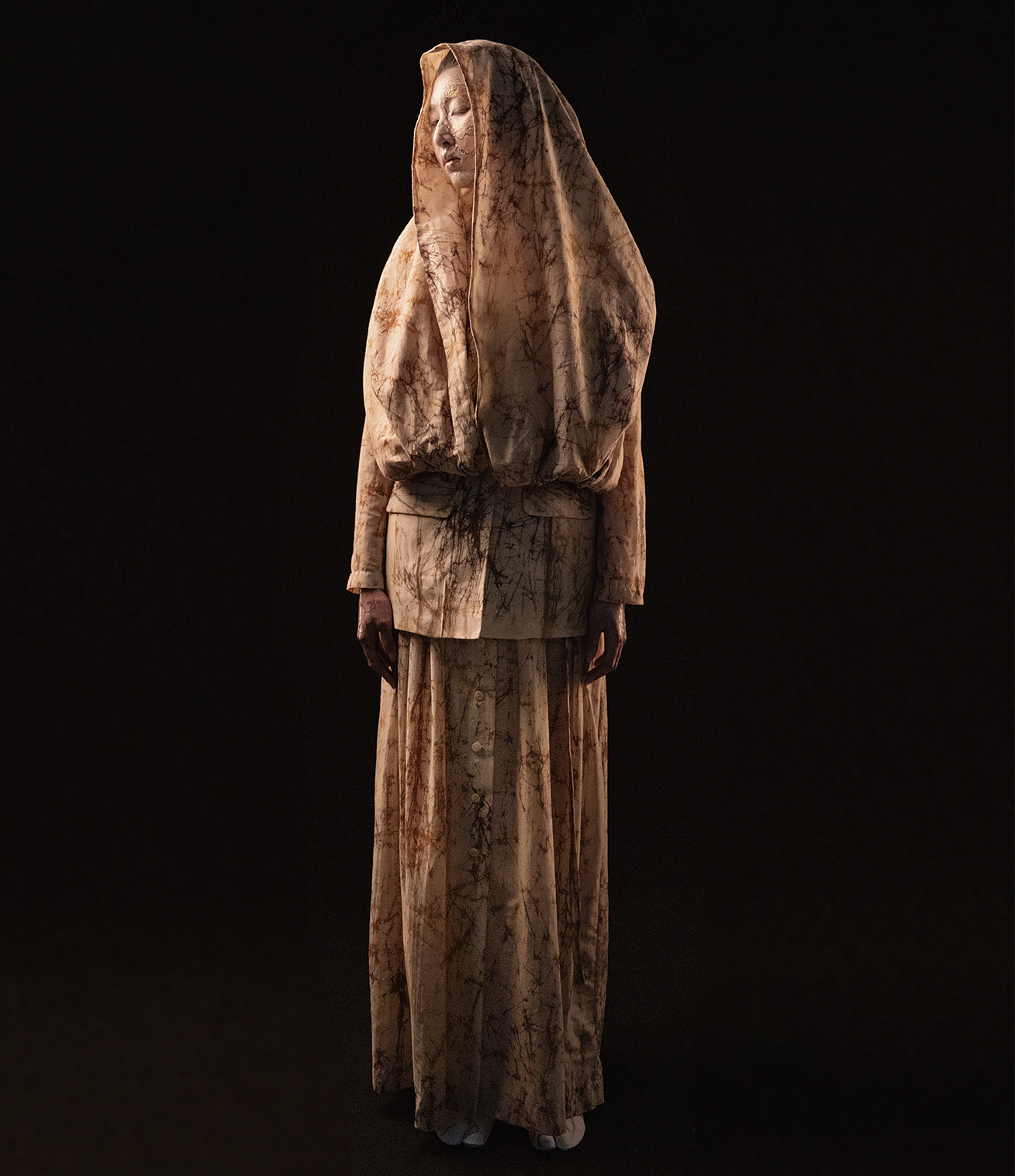
About 2027 SS collection
── Why have you chosen Tokyo (Rakuten Fashion Week TOKYO) as the venue for presenting your collection?
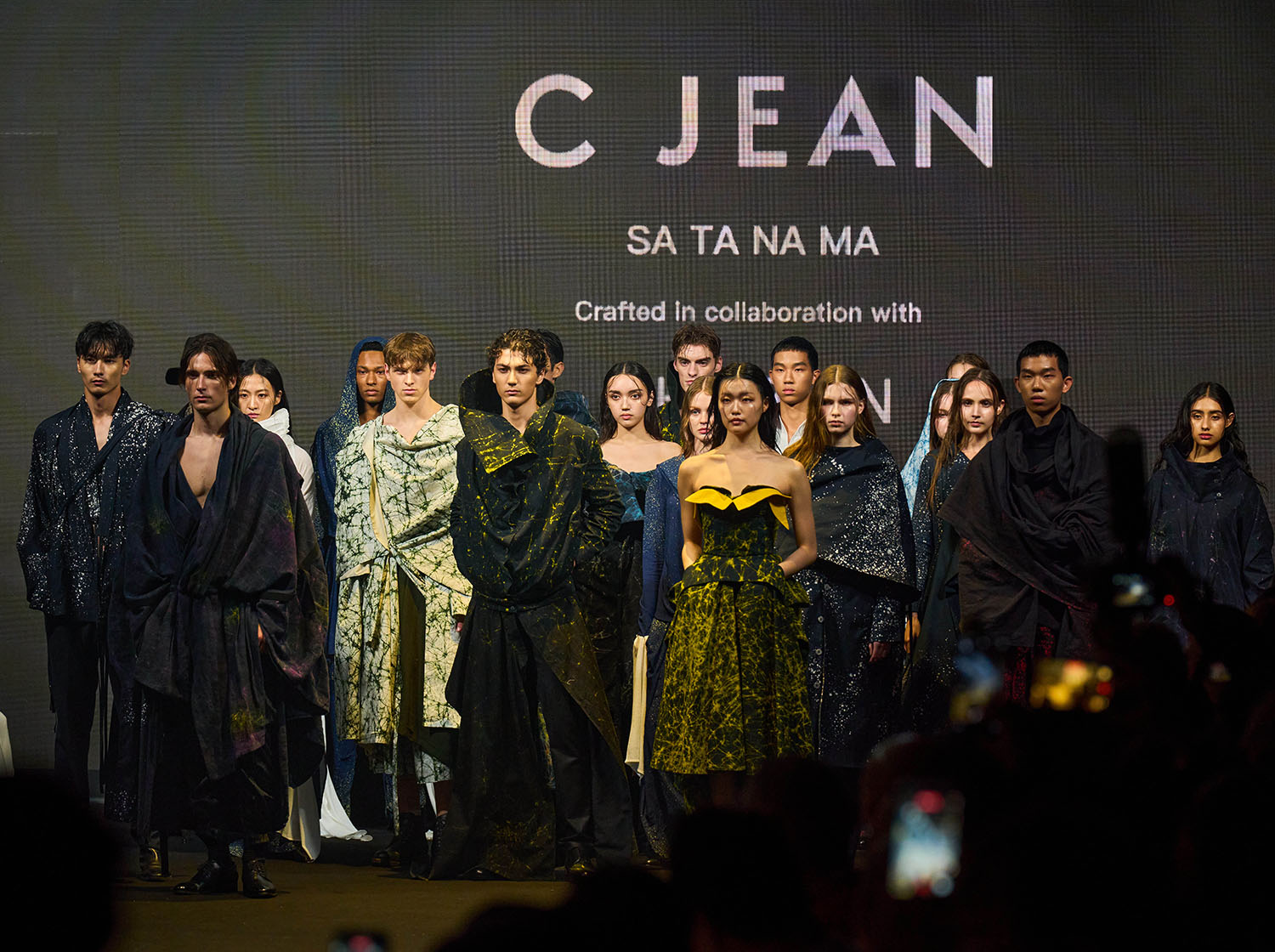
We chose Tokyo because it is a place where fashion, craft, contemporary art, and spatial expression intersect, and where clothing can be understood not only as a product but also as a form of cultural expression. Through projects including our collaboration with Kyoto rōketsuzome, C JEAN has continued to build a dialogue with Japanese craft and culture.
We see our first participation in Rakuten Fashion Week TOKYO not as a one-off presentation abroad, but as the next stage in an ongoing creative exchange between Taiwan and Japan. In THE ATELIER IS OPEN, we seek to present not only finished garments, but also the processes and relationships through which they come into being. For this reason, we chose a presentation rather than a conventional runway.
Our aim is to deepen dialogue with media, buyers, creators, and cultural institutions in Japan, and to build long-term relationships on both cultural and commercial levels.
── What is the concept / image for your brand’s 2027 SS season?
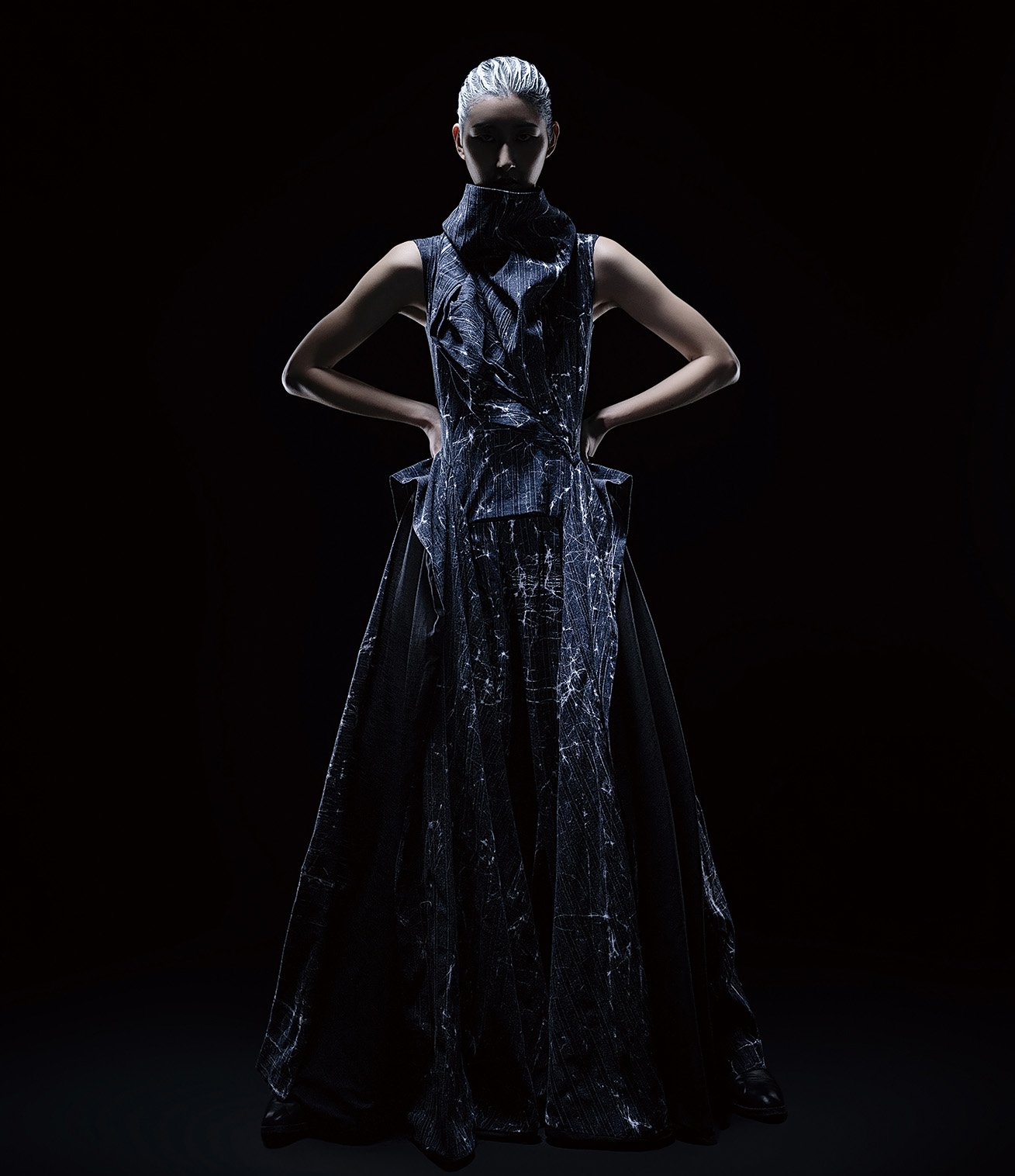
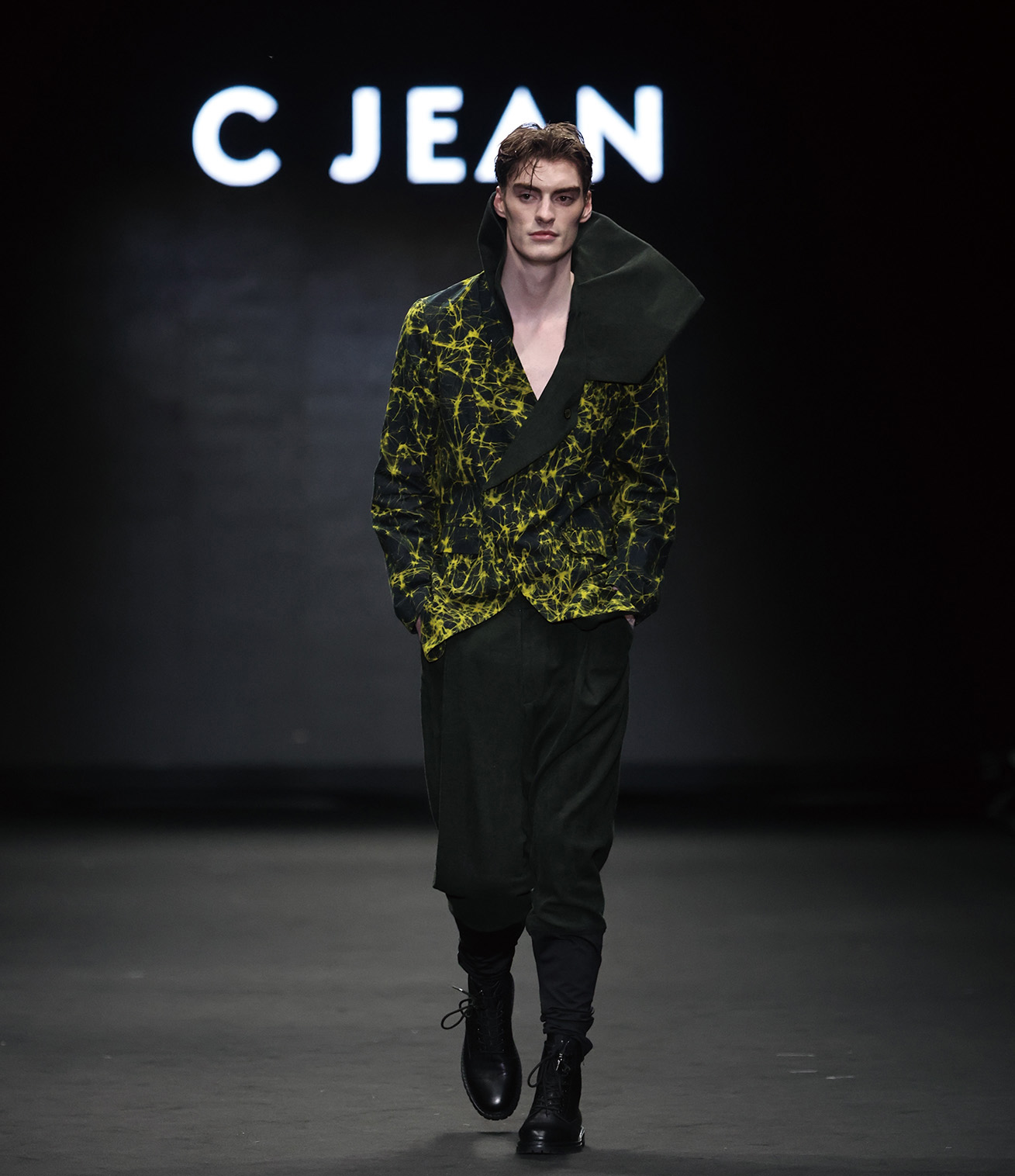
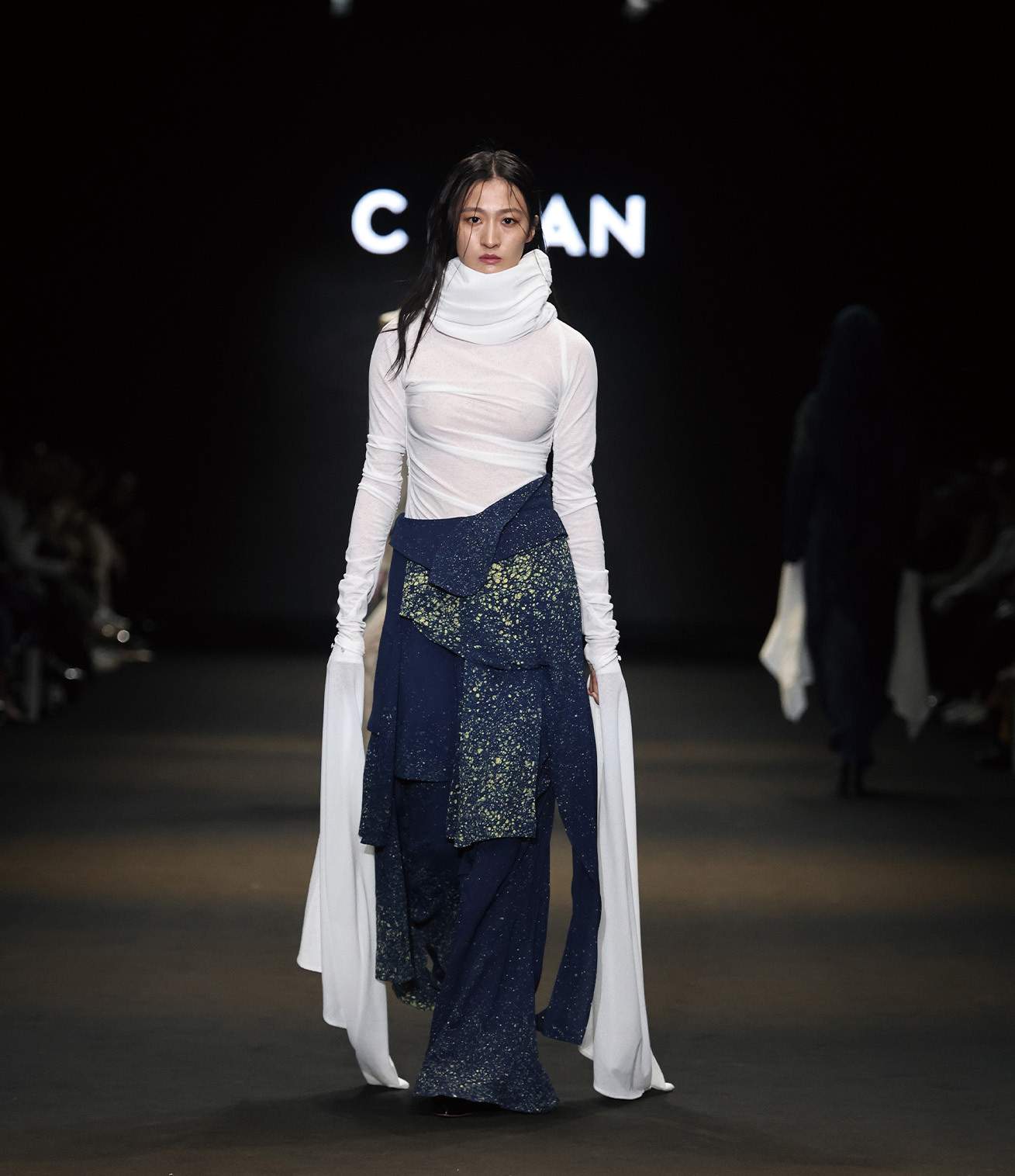
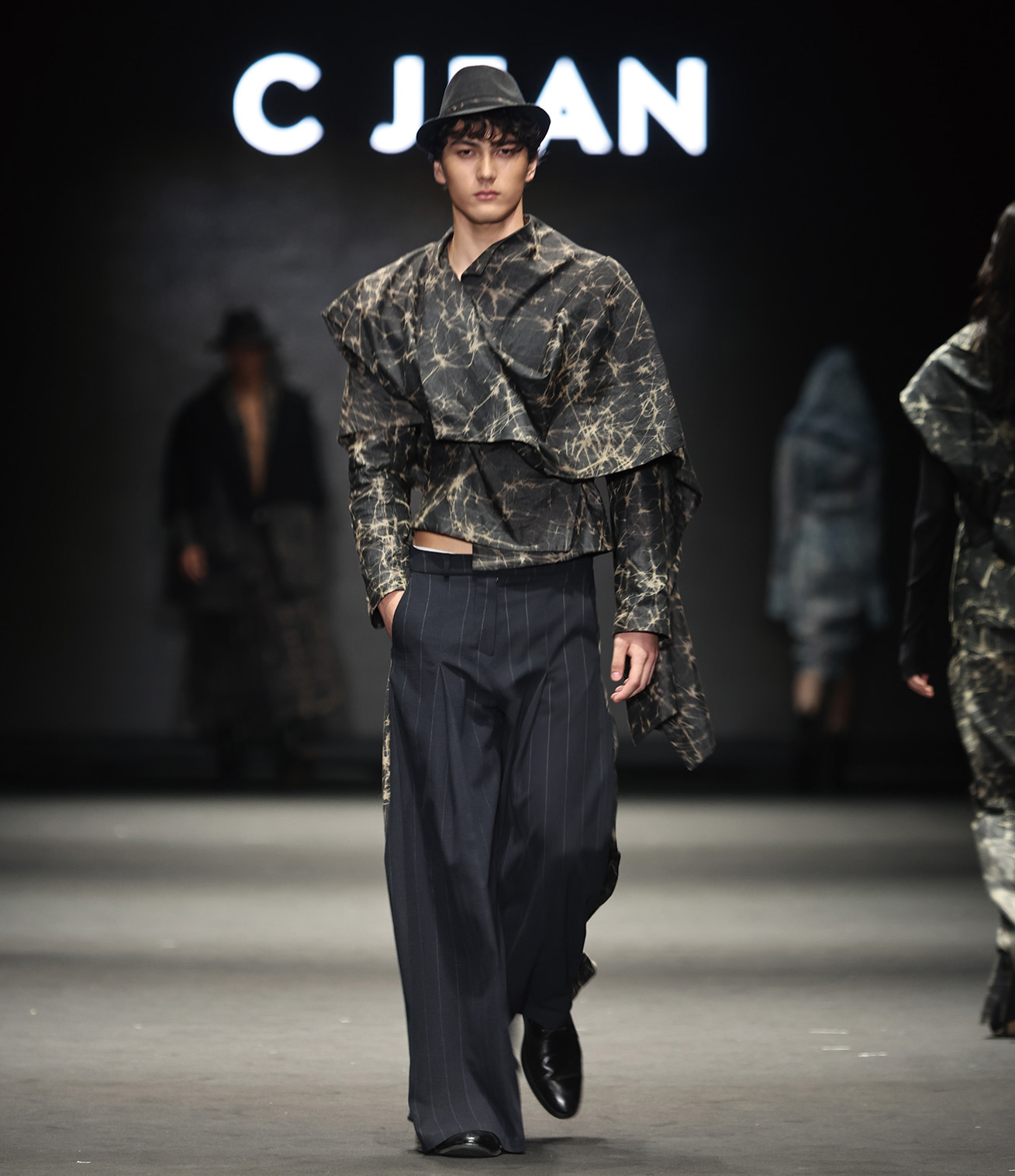
The 2027 S/S collection, BECOMING: BOLÉRO, takes its point of departure from the structure of Ravel’s Boléro: a single melody returns, yet continually alters itself through the accumulation of rhythm, orchestration, and intensity.
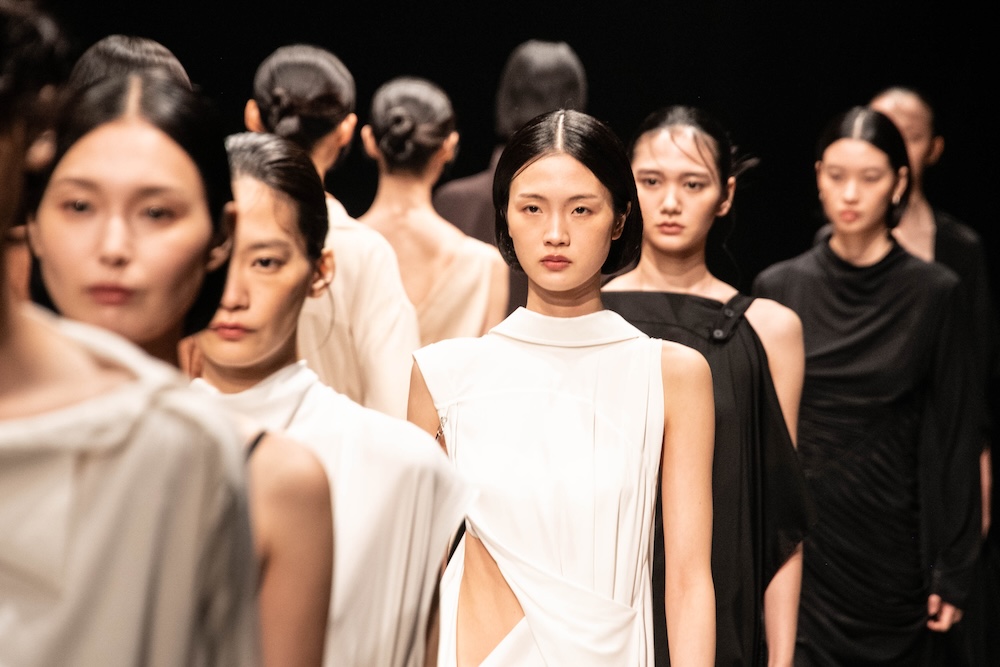
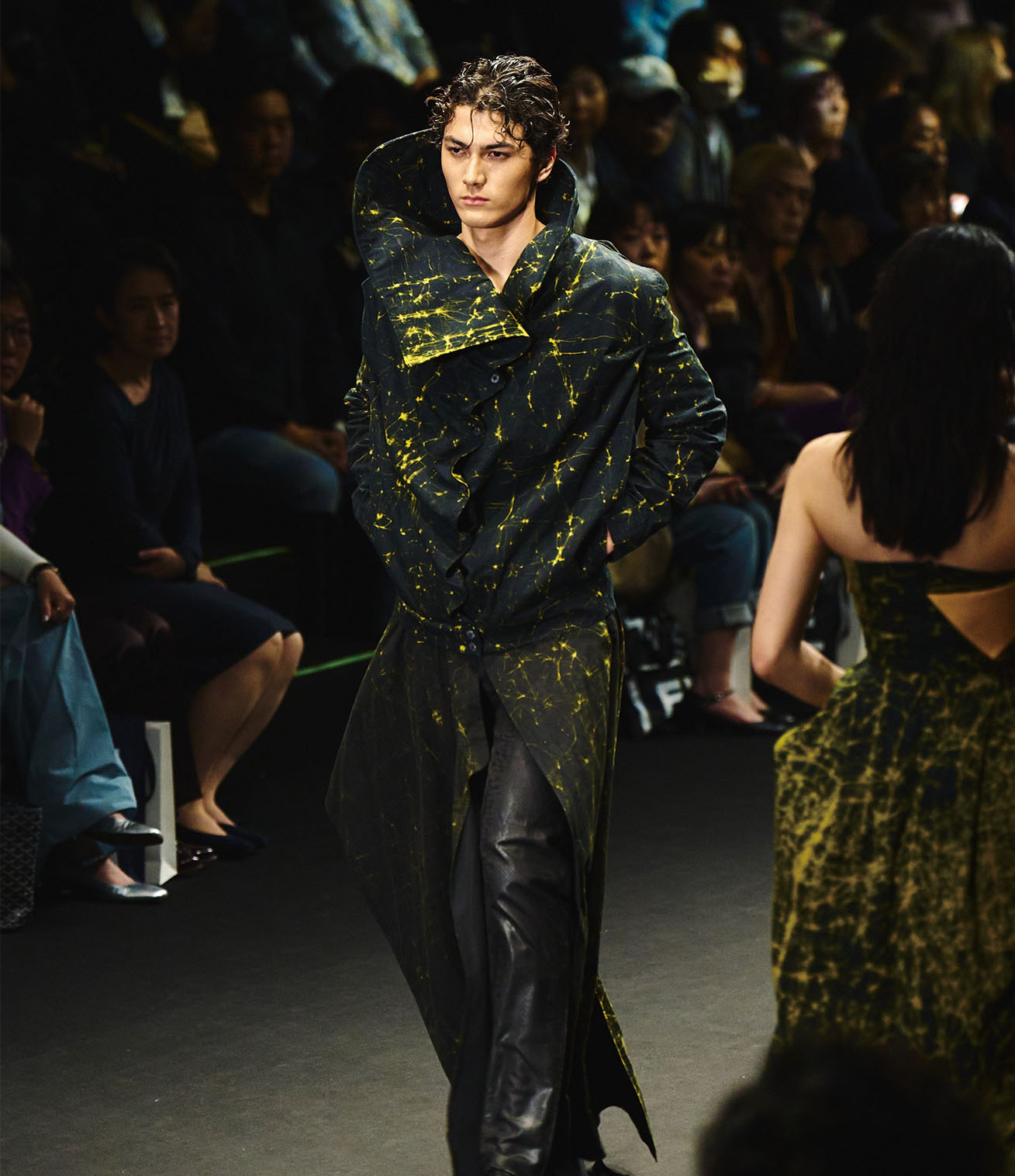
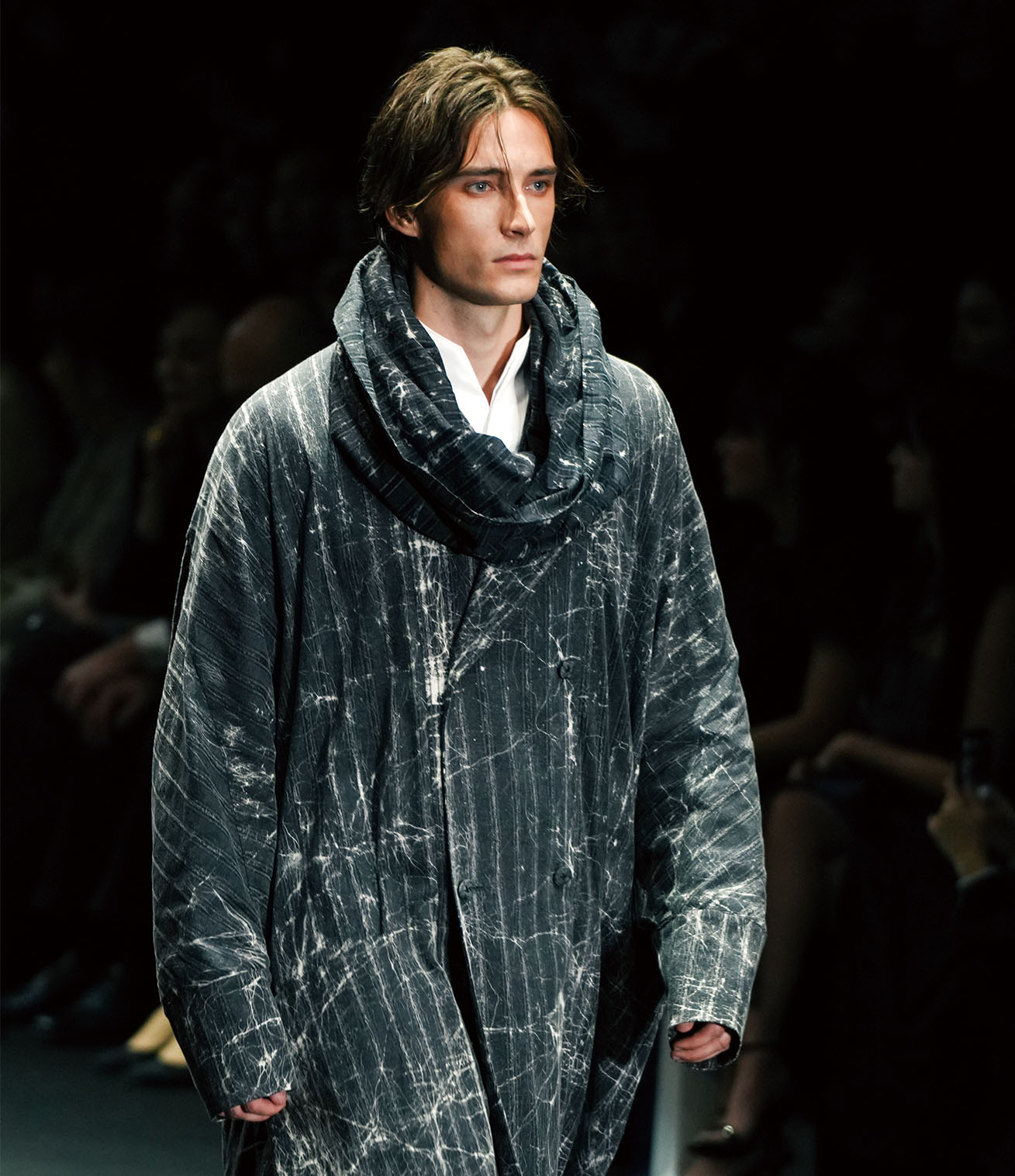
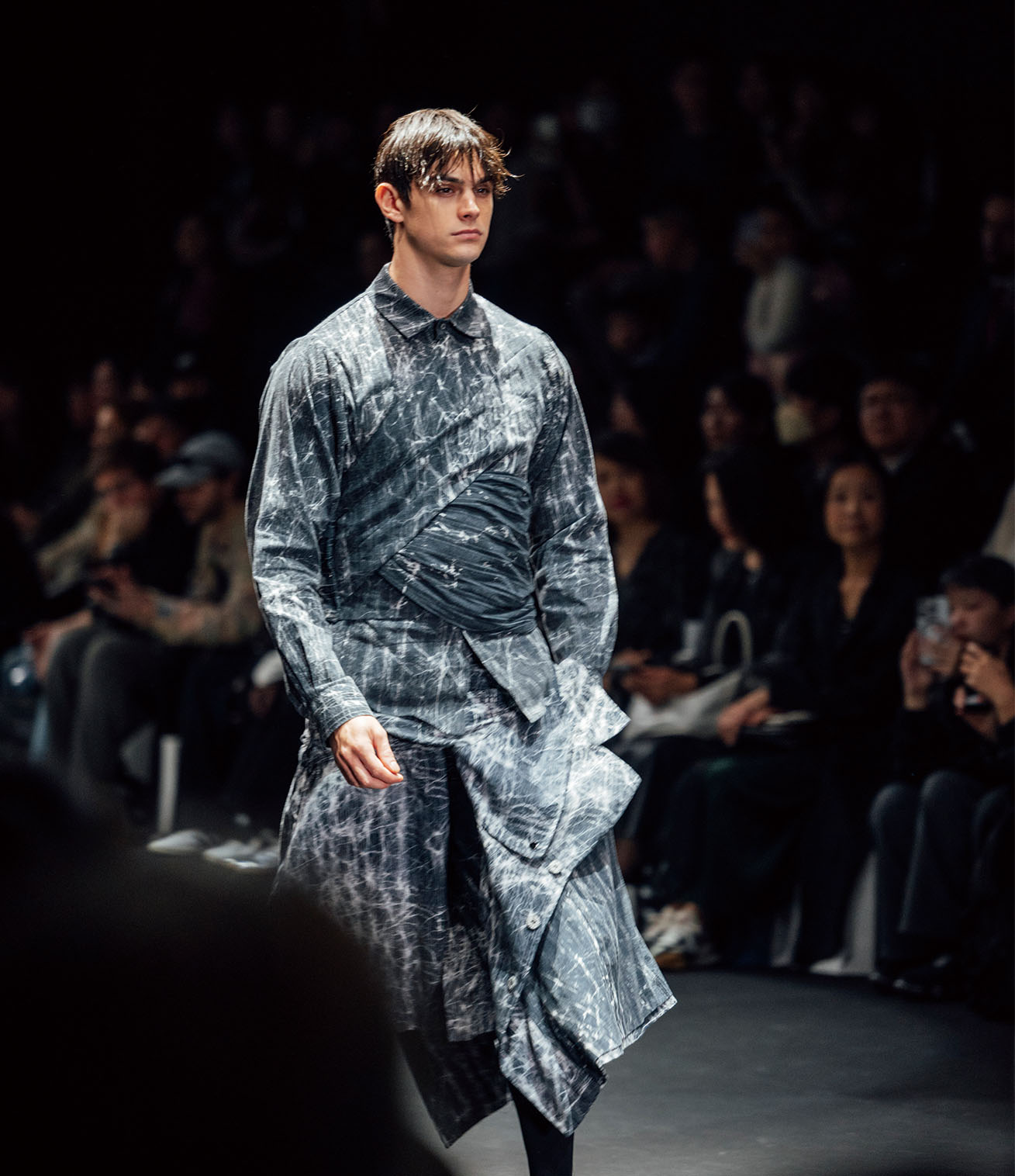
C JEAN translates this “difference within repetition” into a language of dress, in which silhouette, layering, colour, and traces of handwork gradually accumulate. Rather than standing as an independent conclusion, each look carries forward something of the one before it, shifting within resemblance and gradually becoming something other.
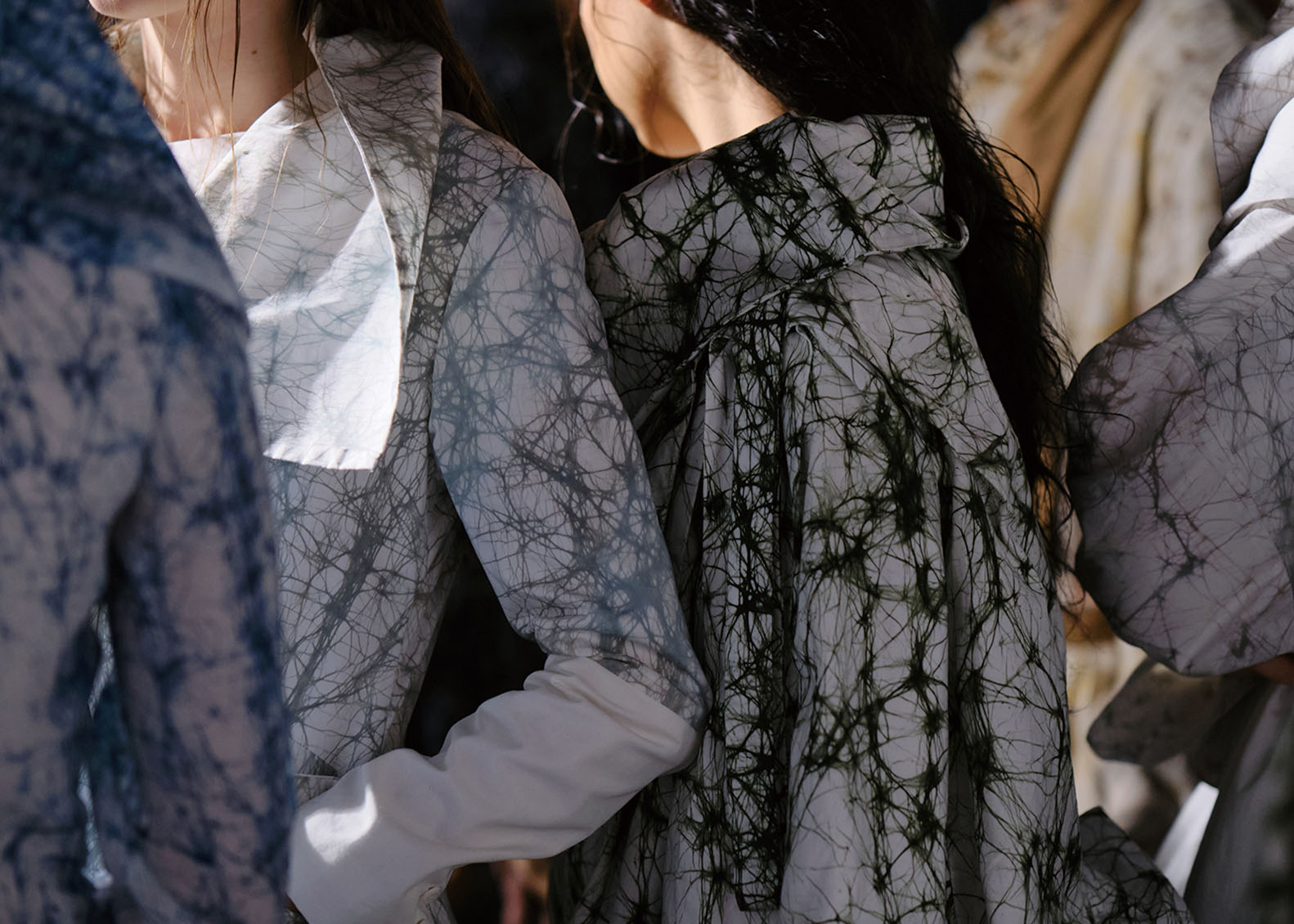
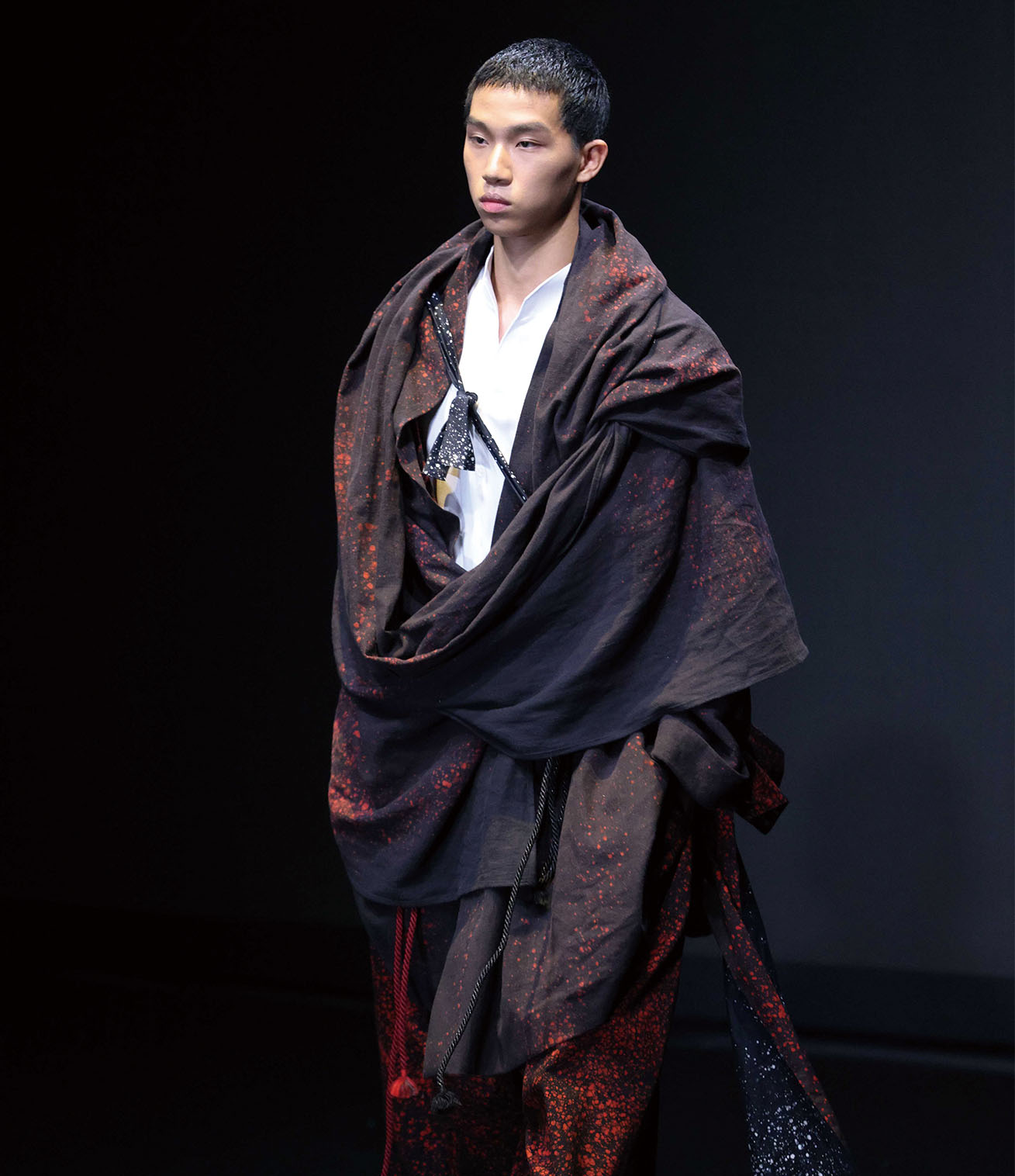
The collection moves from the near-blankness of ivory toward the depth of orange-red, vermilion, and black. Translucency and structure, order and chance are layered with the fissures, diffusion, and wax traces of rōketsuzome dyeing. These marks are approached not as surface decoration, but as evidence of time, the hand, and material acting upon one another.
BECOMING: BOLÉRO does not propose a fixed image of completion. It traces how the body and clothing continually remake themselves through repetition, accumulation, and difference.
── What is your vision for your show / installation?
C JEAN’s Tokyo presentation approaches clothing not as a finished object at the end of a process, but as something held within a continual state of becoming. When does a garment begin, and when is it complete? When making moves from backstage into the field of vision, how does the meaning of the work change?
The two spaces embody two temporalities within the same proposition.
COURT — THE ATELIER IS OPEN opens onto a present that has not yet settled into form. The boundary between making and presentation is temporarily opened, allowing clothing to remain in transformation through its relationships with the body, time, and human presence. What the audience encounters is not an answer, but the process through which a work gradually becomes itself.
CUBE — THREE QUIET ROOMS turns toward time as trace. Works, materials, and memories of craft are approached not as static archives, but as lived experiences that continue to resonate in the present.
Between movement and stillness, the presentation proposes that creation is not a linear passage from unfinished to finished, but a continual rewriting of itself through appearance, disappearance, and becoming again.
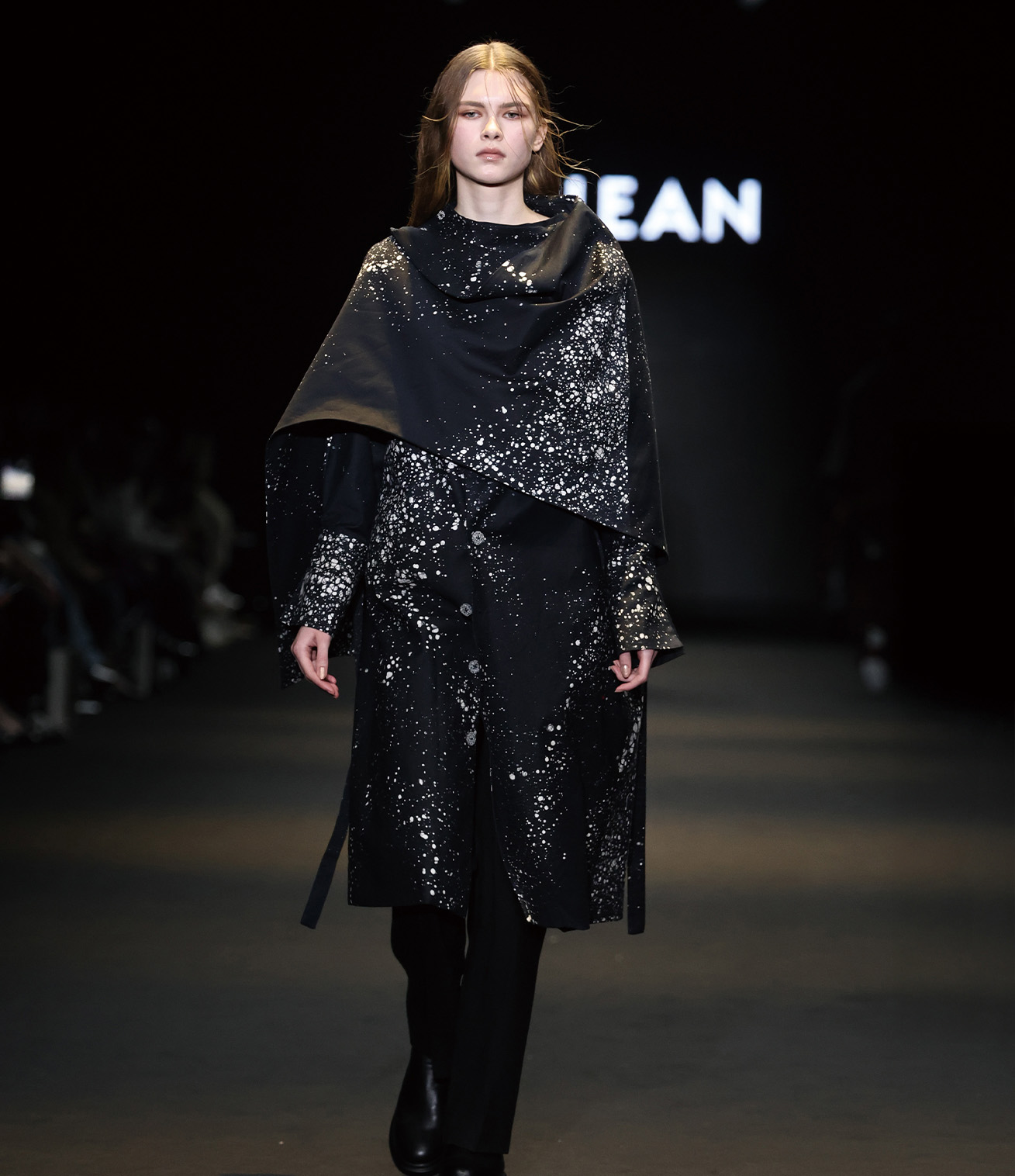
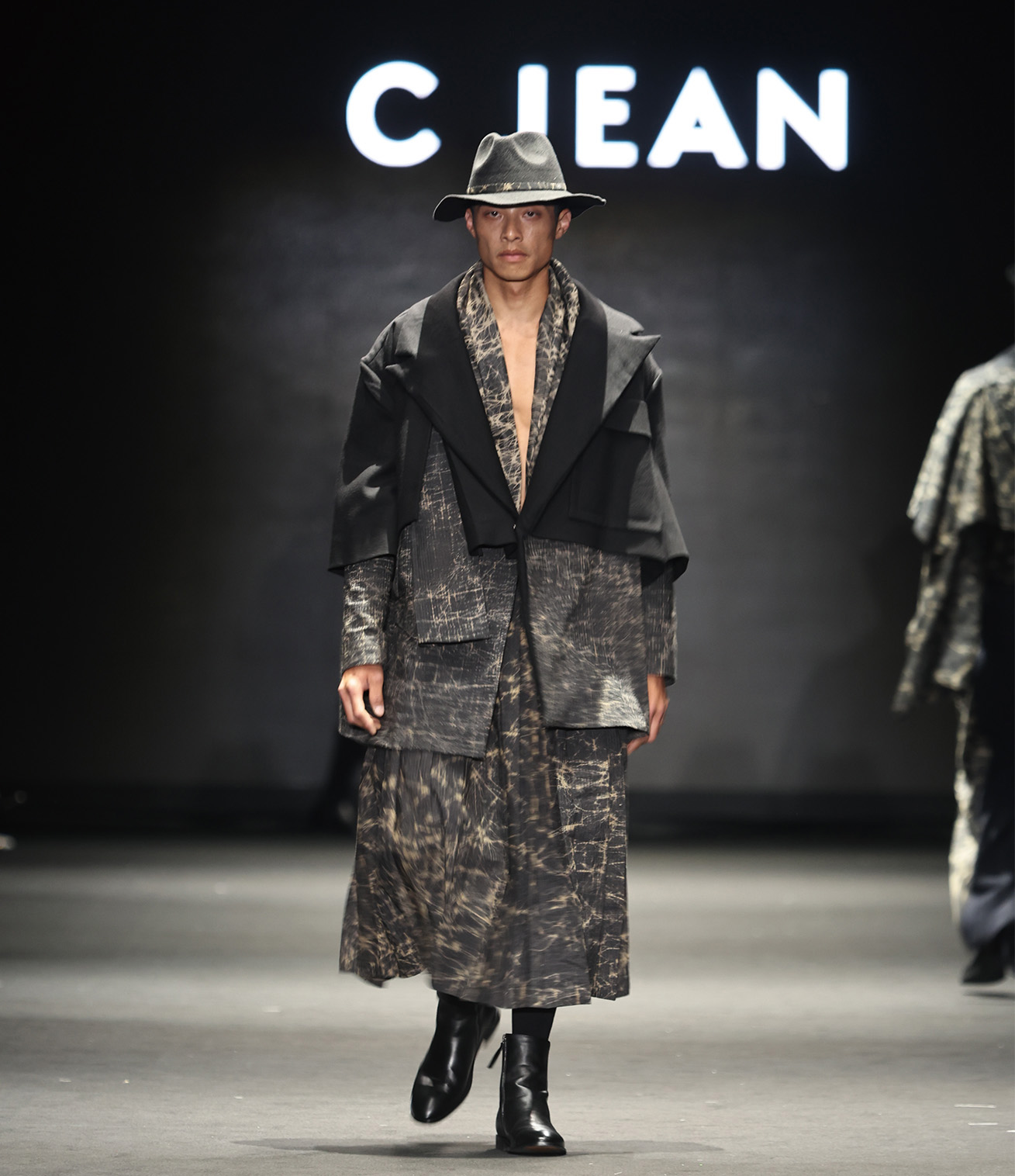
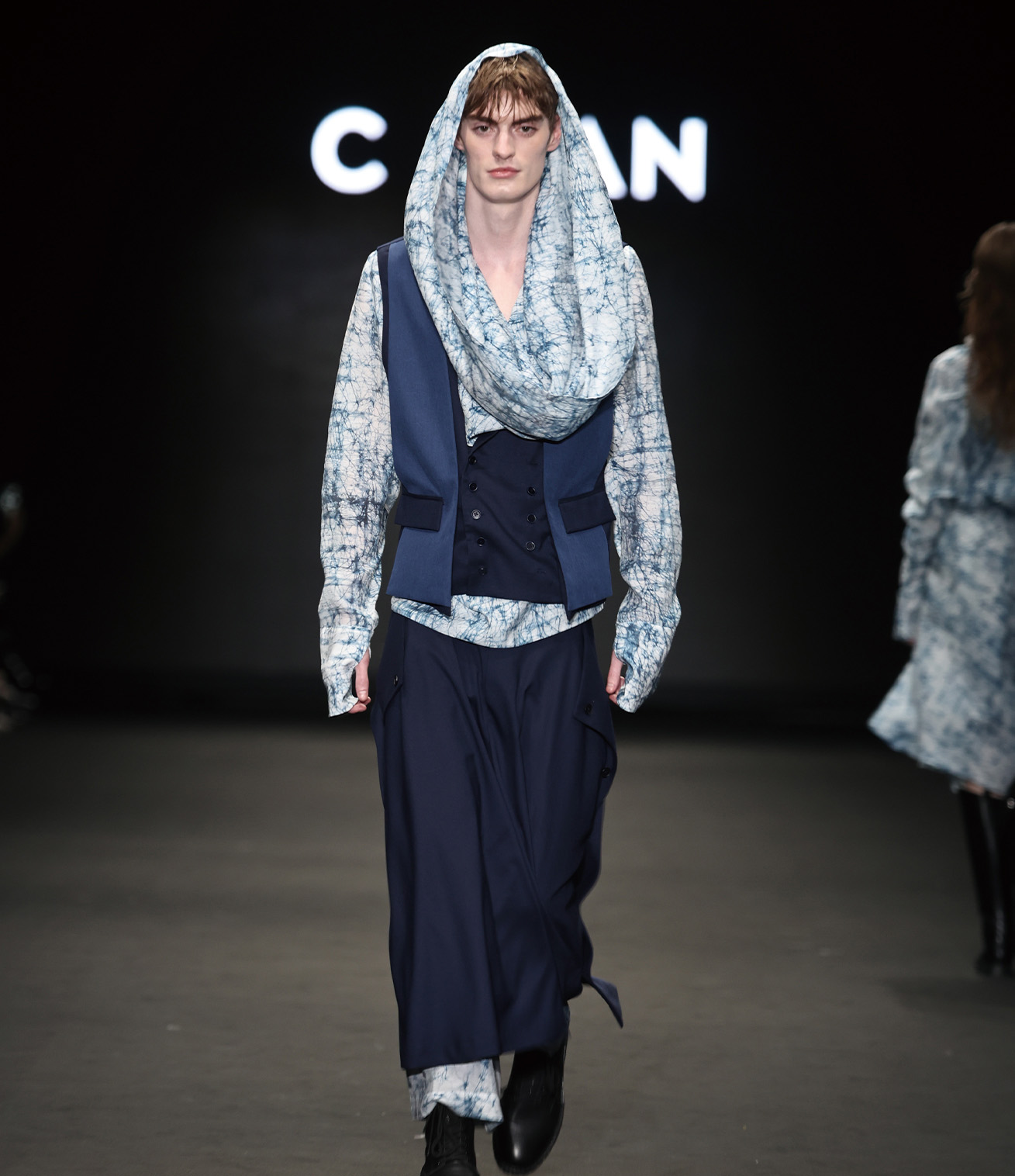
Future
── What are your brand’s future outlook and goal?
C JEAN does not measure its future primarily by rapid expansion or scale. We aim instead to grow in depth, using clothing as a starting point to build lasting relationships among craft, art, the body, and society.
We will continue our material research and deepen our long-term collaborations with artisans. Rather than treating tradition as a visual reference to be appropriated, we seek ways for the knowledge, spirit, and time embedded within it to acquire renewed meaning in contemporary life.
At the same time, C JEAN aims to establish a resilient business foundation through complementary practices—including collections, made-to-order work, and collaborations with companies and cultural institutions—and to expand carefully in Japan and other regions where our values can be genuinely shared.
Our long-term goal is not only to deliver finished garments, but to cultivate a creative platform where people, techniques, memories, and different cultures can meet, allowing new forms of value and relationships to continue emerging.
About TOKYO
── What does Tokyo represent for you?
For me, Tokyo is a city that allows contradictions to coexist without rushing to resolve them. Speed and stillness, order and deviation, tradition and the future are layered within the same everyday landscape. Emotion is rarely announced directly; it is held in the proportions of space, the way people move through it, the choice of materials, and the care with which objects are handled. This restrained yet precise sensibility feels close to the way I approach clothing.
As a designer from Taiwan, I experience Tokyo as both familiar and unfamiliar. Intersecting cultural memories create moments of recognition, while the differences compel me to look again at my own position.
Tokyo is therefore more than a market or a venue for presentation. It is both a mirror and a threshold—a place where different experiences within Asia can enter into dialogue and address the world in their own languages.
For me, Tokyo represents the possibility of holding complexity: of not having to choose between craft and contemporaneity, the individual and the collective, quietness and intensity, but allowing them to become the conditions from which a new form may emerge.
── Which parts / sites of Tokyo do you like most? Why?
I am especially drawn to Daikanyama. Walking from the station along its gentle slopes toward Kyū-Yamate-dōri, I sense a part of the city that slows down slightly without ceasing to move. Bookshops, architecture, fashion, cafés, and residences sit alongside one another; commerce and daily life remain close while preserving a quiet distance.
I am particularly fond of Daikanyama Tsutaya Books. Books, film, design, travel, and everyday objects are not sealed into separate disciplines, but enter into relationships within the same space, creating encounters with things one did not know one was looking for.
As a designer, it reminds me that culture does not have to remain inside museums or specialist venues; it can be embedded in the texture of everyday life. What I value in Daikanyama is this understated yet layered density—a place where creativity can emerge slowly, without demanding attention.
── What are your favorite / recommended shops (of any genres, e.g. fashion stores, homeware stores, food services), facilities and sites?
I am still gradually getting to know Tokyo, so I would like to distinguish between places that have stayed with me after visiting and those I hope to explore more deeply in the future.
• Daikanyama Tsutaya Books — Books, art, architecture, and music are connected within everyday life, allowing unexpected discoveries to occur. It is a place where I have spent time and to which I feel particularly drawn.
• Nezu Museum — The way classical East Asian art, the bamboo-lined approach, architecture, and garden form a single experience of time has remained with me. The passage from the urban rhythm of Omotesando into the quietness of the garden also felt like a shift in perception.
• The Japan Folk Crafts Museum — Through the work of anonymous makers and the beauty held within everyday objects, I hope to deepen my understanding of the relationship between craft, use, and life.
• The forest of Meiji Jingu — Planned with a vision of how it would exist a century later, it has developed into a self-renewing forest. I hope to consider through it the relationship between human intention, nature, and time.