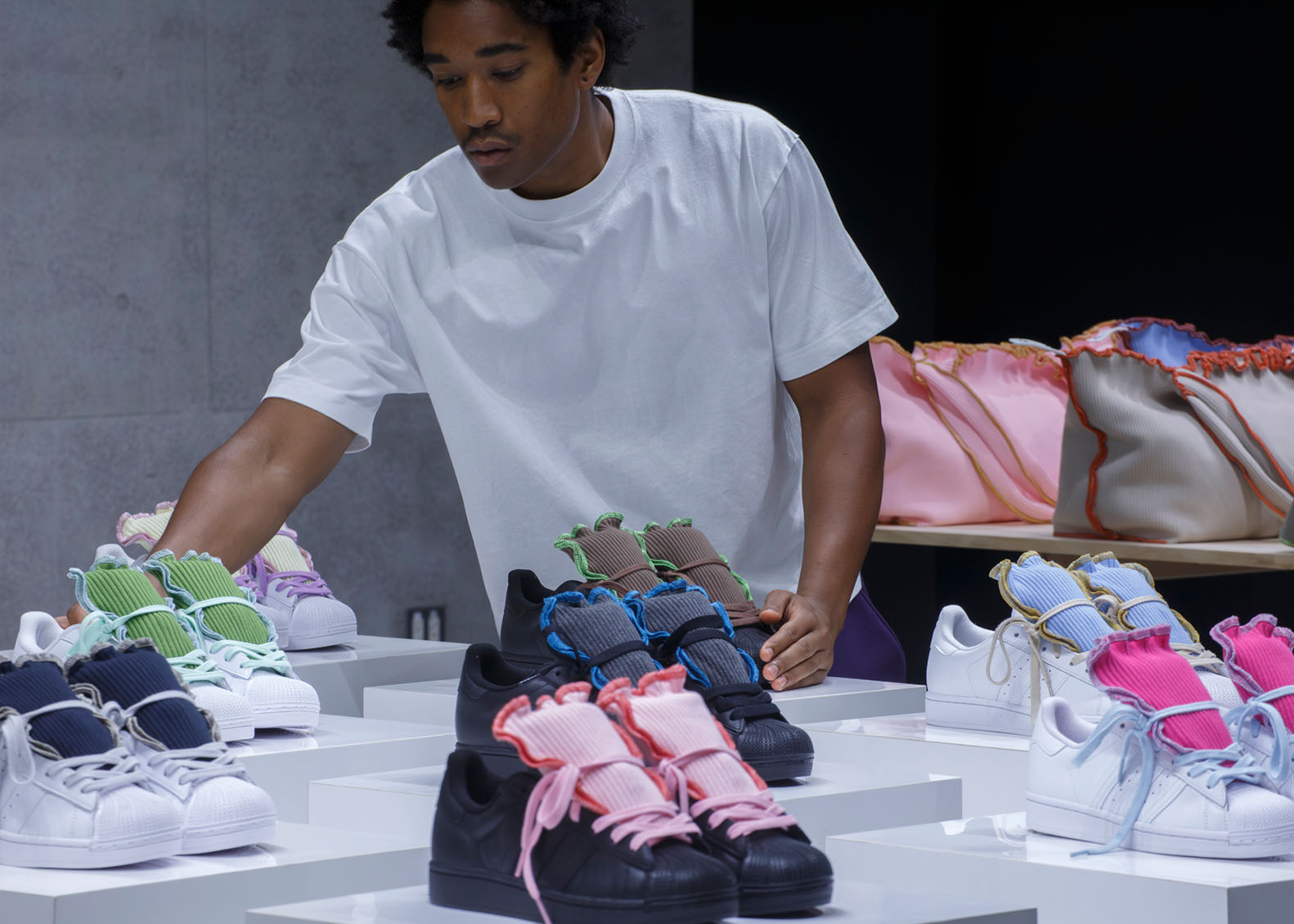
A MAGAZINE / Blake Abbie
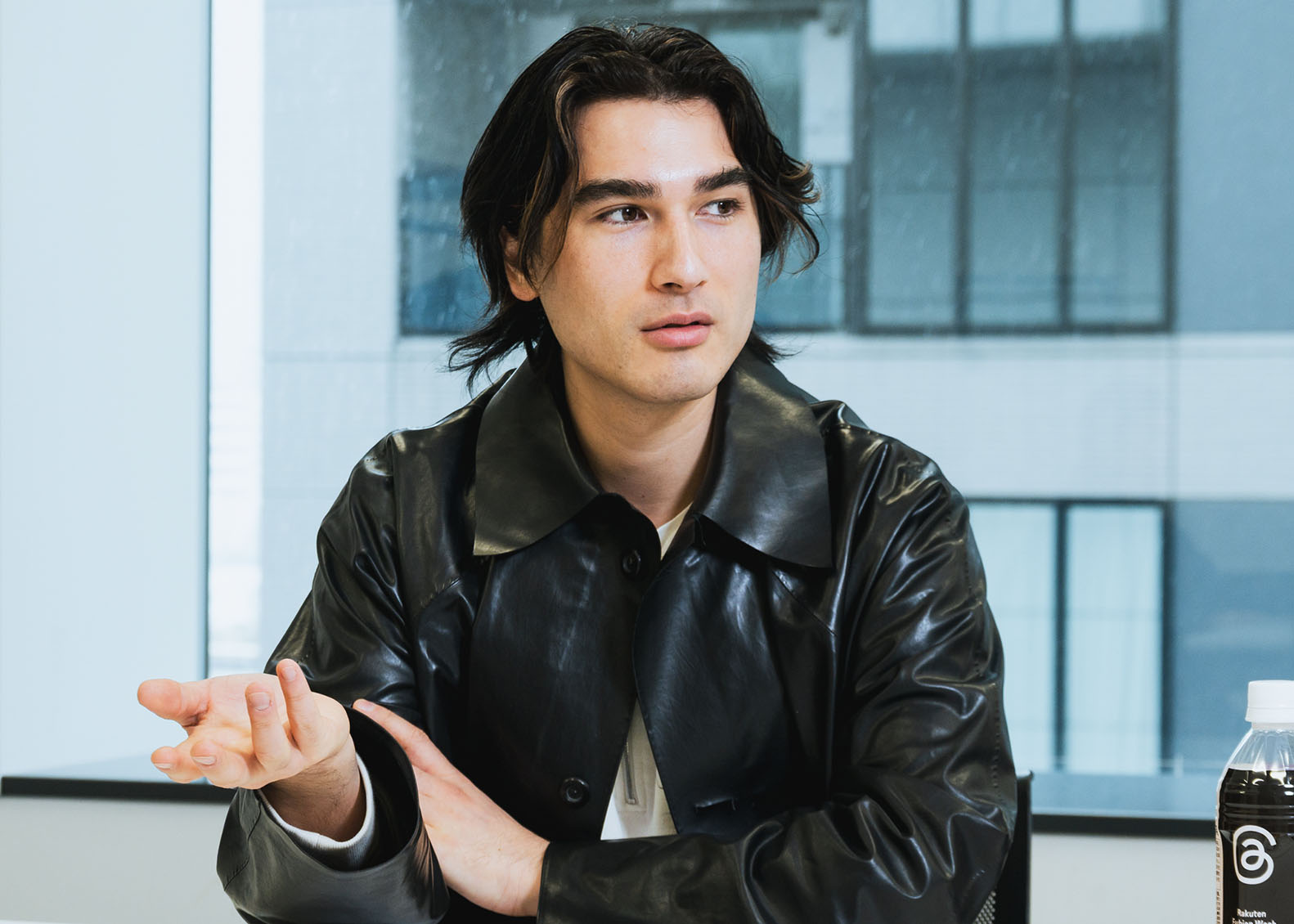
Blake Abbie, editor-in-chief of the cult-favorite A Magazine curated By, which collaborates with a different fashion designer each issue, attended Rakuten Fashion Week TOKYO 26A/W as part of JFWO’s invitation program. As someone well-versed in the Asian market, how did Tokyo Fashion Week strike him? We spoke with him during the event at Shibuya Hikarie, the official venue.
──This is your first Tokyo Fashion Week. What is your impression so far?
To be honest, I found the shows in the first half of the week somewhat homogeneous. But there’s been a shift in the last few days—for example, the show environment for kotohayokozawa, which I just attended, was unique and wonderful. That’s one of the things I like about Tokyo Fashion Week—that you get to see how different designers interpret and transform the same space in their own ways.
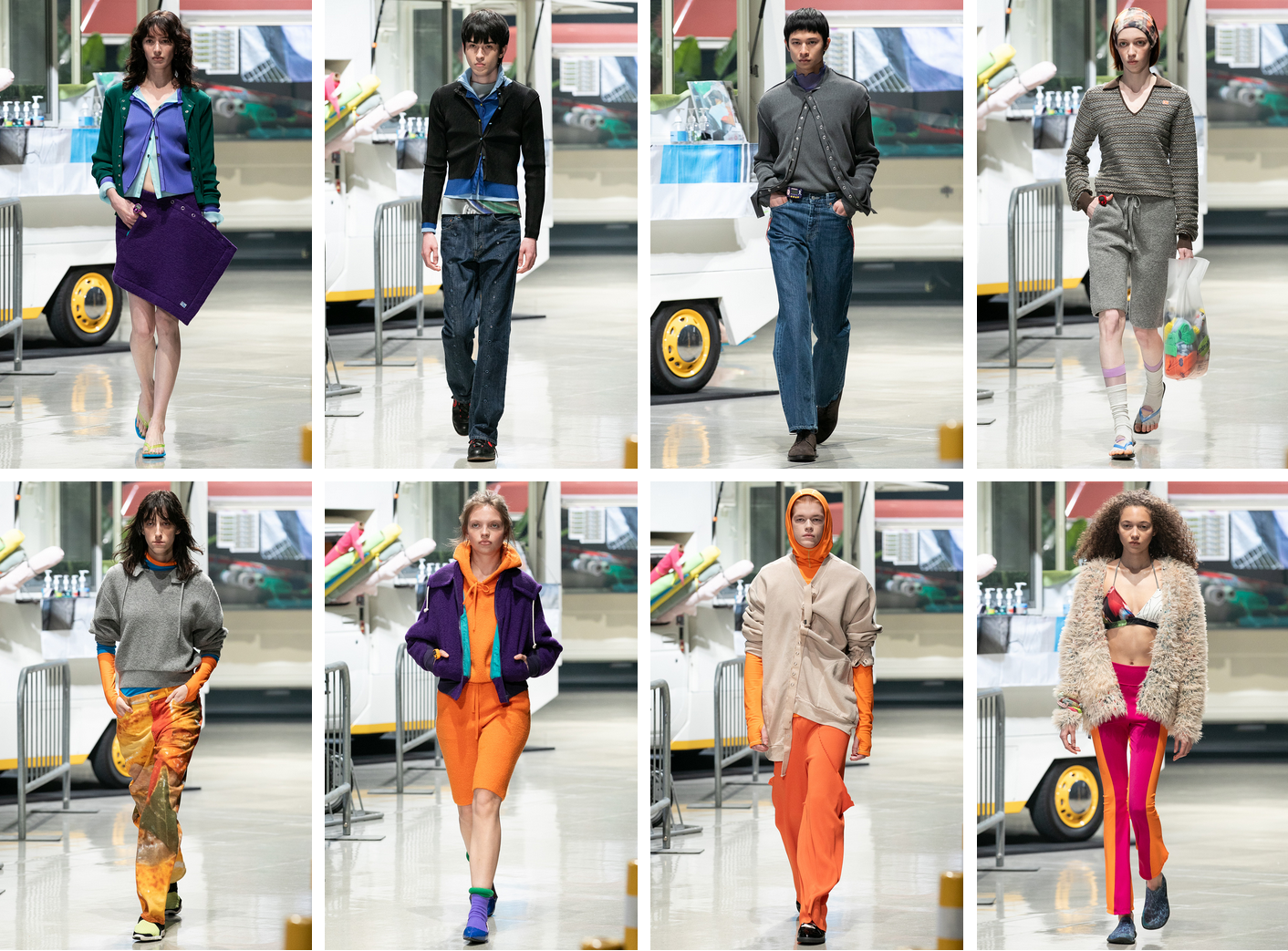
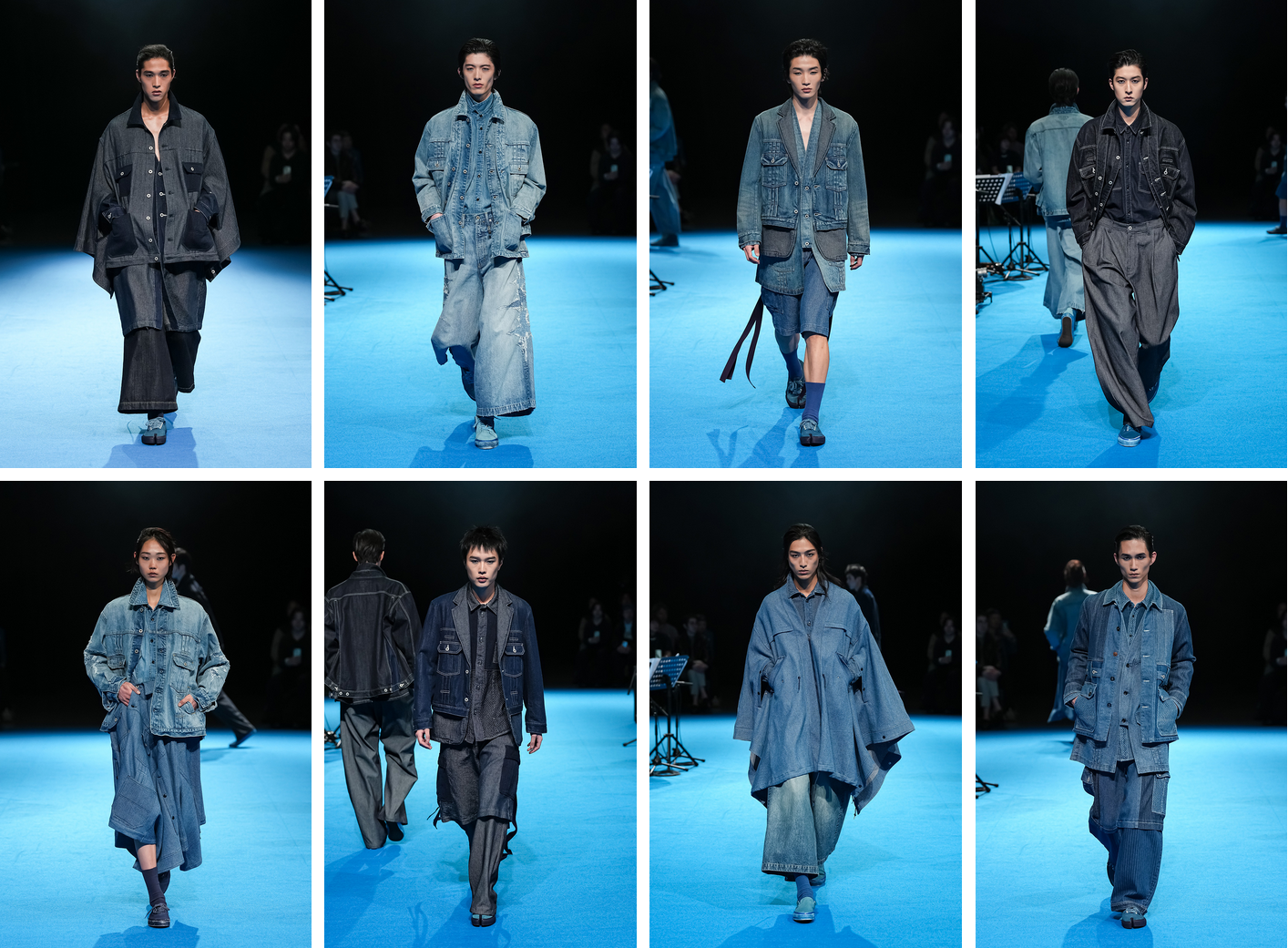
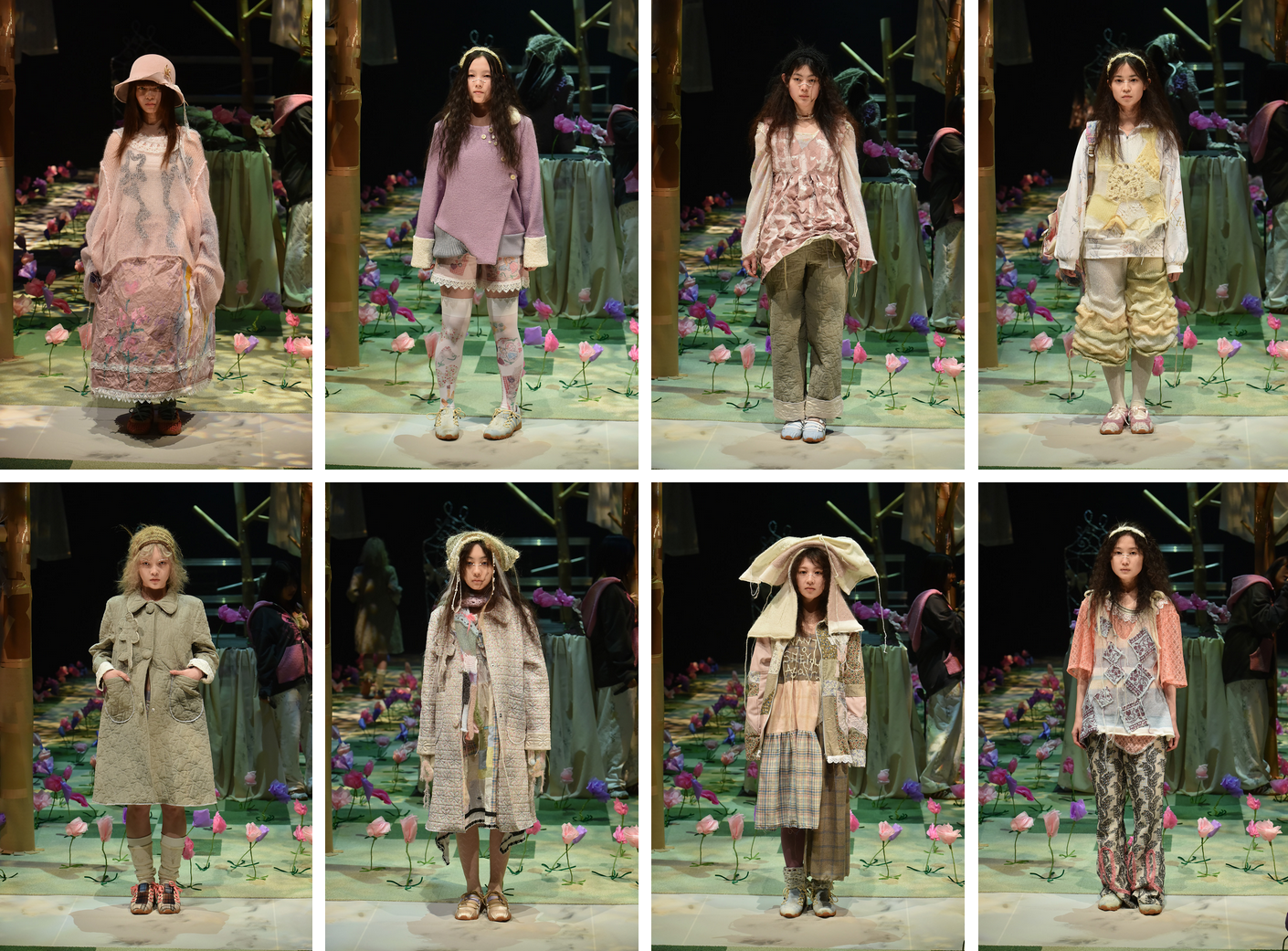
At last night’s FDMTL too, the live performance alongside the collection was truly outstanding. And a designer who transformed the venue in the truest sense is yushokobayashi. The show, with flowers and the storytelling, was a world of its own. It was incredible.
I’m not so much a typical fashion editor or journalist as I am a creative too. That’s the perspective from which I approach shows, honing how brands build their own individual worlds. I pay attention to the structure and to the craftsmanship of the clothes too, of course, but for me it’s more important to see whether a show is creating an immersive experience, and one that is new.
──How has it compared to fashion weeks in other cities?
It’s important to recognize that each city has its own dynamics, and that they offer different things. I often attend fashion weeks in relatively smaller cities as well and find that each has a different history of fashion, and a unique relationship between the fashion itself and how it is presented.
Japanese fashion is relatively young, only dating to the 1960s. It’s impossible to compare it with countries like France or Italy, which have much longer histories of fashion, nor do I think such comparisons should be made. Nevertheless, there is a very important history of fashion in Japan, too. Yohji Yamamoto and Rei Kawakubo stepped onto the world stage with their Paris debuts in the 80s and completely transformed how the world thought about fashion. That’s why there is now an expectation that Japan will produce such innovative designers. Though maybe the expectation to create something completely new, which comes from the presence of these legends, feels like pressure to Japan’s young designers today…
──Of the shows you’ve seen so far, which brands were you most impressed by?
I’d have to start with yushokobayashi. I was floored by the whole experience. It wasn’t just the show—even when the clothes were modeled against a simple white backdrop, they remained extremely compelling. They had real personality. FDMTL, too. Japanese denim, executed at a very high level. It felt familiar in a way, but I found the collection very cool, and something I’d want to wear myself. YOKE showed a deep understanding of materials and textiles. I did have some thoughts about the presentation, but it’s his first time creating womenswear, so it’s too early to pass judgment. It’s a new challenge, after all. My impression actually changed after experiencing the clothes in person. With some brands, it’s not enough simply to see the clothes on the runway—you need to wear them.
In HOUGA’s case, there were a lot—perhaps even too many—interesting ideas about patternmaking. I liked the yoshiokubo collection too, and saw several pieces I’d like to wear.
The thing about Japanese brands is that often times no one comes out onto the runway after the end of the show, so you don’t know who the designer is. I think that’s a big problem. I was under the impression that yushokobayashi was a woman! I want to meet the designer, see who is behind the clothes. Designers really should take a bow after the show!
──What do you think is necessary for young brands like the winners of the TOKYO FASHION AWARD to break out onto the global market?
I’d tell designers to be more authentically themselves. Precisely because they are young and still developing, they should be true to who they are. I’d also tell them that it’s important not to try to appeal to everyone. That’s a big issue for emerging brands and designers, the desire to appeal universally. Yes, you have to make money, you have to sell. But I want them to remember that as soon as you start making a trenchcoat or a pair of jeans that appeals to the masses, you’ve lost the thing that made the world interested in you in the first place.
I often advise brands, especially younger designers, to reduce their production volume and create a collection that is complete with just 10, 12, 15 looks. Set the commercial pieces aside, create a disciplined, precise collection, and show only that on the runway. In Shanghai, runway shows have to include every look so they can more easily sell ‘as seen on the runway piece’, but it makes the shows very long and repetitive.Maybe a rule limiting collections might help in Tokyo too…
Anyway, I think it’s worth focusing on smaller collections with more impact. There’s no need to create something massive. You will only waste money on development and production, while diluting the message you want to convey.
──On a global scale, what are the emerging brands you’re most excited about?
As a global creative, I want to support my own community in New York, as well as the brands in China, where I’m from. For many years, China was considered a cheap producer, and “Made in China” was a mark of poor quality. But I don’t think that’s correct, and now the situation is completely different. That’s part of the reason that I try to wear as many Chinese brands as possible. I especially like AO YES, a young brand that I introduced to and got stocked by SSENSE. I’m one of a small group of people who travel all around the world, and I have a wonderful community and network, so I try to build bridges to support young talent. New talent, new voices are vital in every aspect of life. I’m constantly inspired by them, and they deserve support.
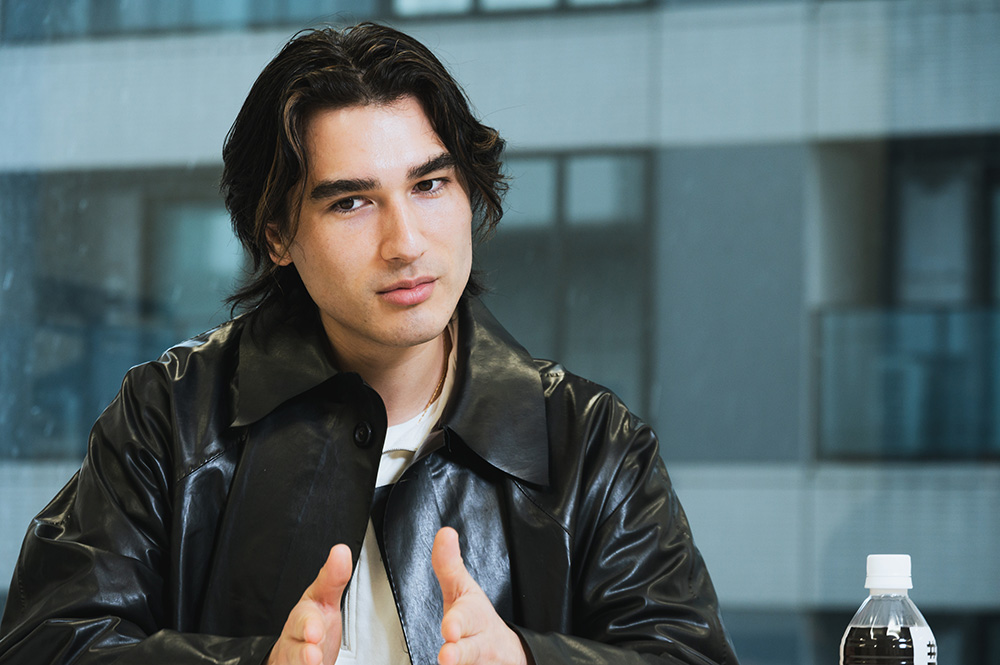
I don’t buy from luxury brands or big names. I only buy from emerging brands whose stories speak to me. For example, I’m wearing a pair of pants right now from the Japanese brand Vowels—a brand I wear often. I’m looking forward to deepening my relationships with Japanese designers and discovering more brands to love and wear. After all, I’m confident that no one is as interested in or as passionate about Asian brands as I am!
──Do you have any expectations of Japanese brands?
I don’t have special expectations of Japanese brands in particular. What’s important is maintaining a balance between making and selling clothes, earning people’s interest, and living comfortably. I think that’s what we in the fashion industry should strive for. There’s no need to become a big designer, and I imagine that those kinds of designers will become increasingly rare in the future. Creating good work that reflects who you are, and focusing on that—what more is there?
On this visit to Japan, I’ve learned that Japanese fashion is a gateway for many people, and my interest in the Japanese fashion industry has grown. I don’t have outsized expectations, but I do have a lot of hope. The world has a lot of respect for the generation of designers that includes Chitose Abe and Hiroshi Fujiwara, and I’m looking forward to seeing how the next generation creates shows in new ways—and to the birth of new voices for a new culture.
Photography by MAYUMI
Interview by Tomoko Kawasaki
[Instagram] @amagazinecuratedby
[Instagram] @blakeabbie