Satoru Sasaki
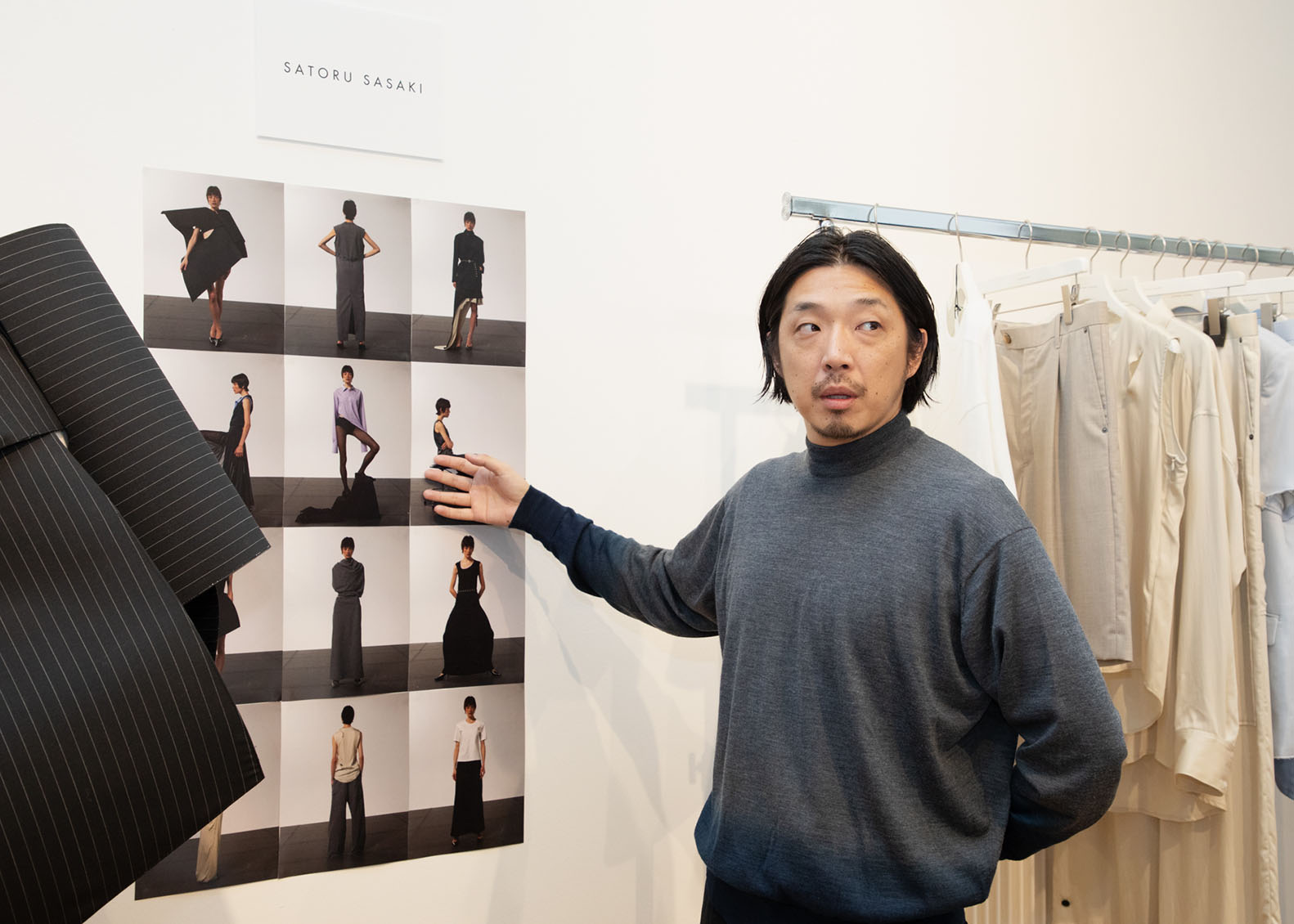
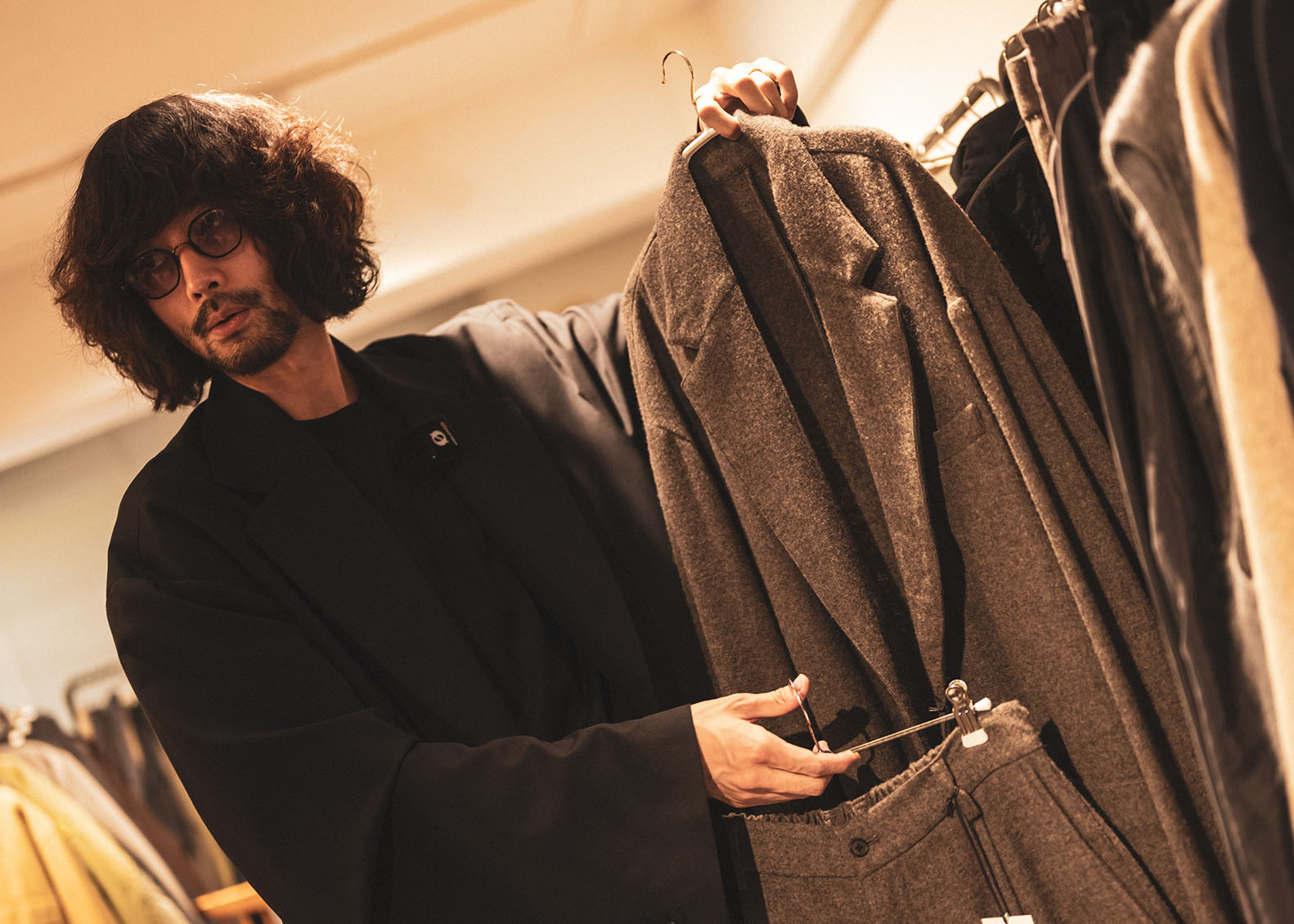
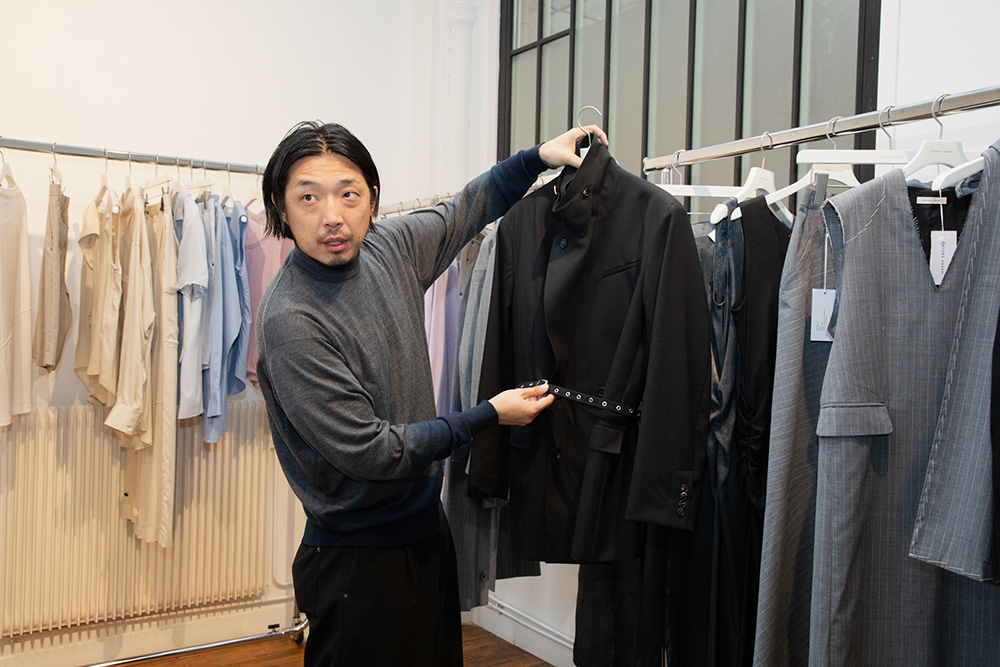
SATORU SASAKI is a brand known for its artisanal approach to edgy, unconventional clothing for the strong woman. This much-buzzed-about brand received the TOKYO FASHION AWARD 2025 and held its first runway show during Rakuten Fashion Week TOKYO this March. Today, we speak with designer Satoru Sasaki in a Paris showroom where the brand is presenting its most recent collection.
What made you decide to pursue fashion design?
I was influenced by my uncle, an abstract painter, and my grandfather, a shoe designer, to find a craft that I could turn into a business. That’s how I arrived at fashion design. I always loved fashion in terms of wearing clothes, but once I started studying it, I became totally obsessed with making. I launched my own brand during the 2020SS season.
Tell me about your brand concept.
My concept is to create clothes for the kind of women even men look up to. While working at a fashion house in Europe, I was deeply struck by how powerful my female colleagues were—the strength of their will and their attitude toward work. I wanted to create a brand that they would identify with and want to wear. My approach incorporates elements like tailoring and patterns drawn from menswear to convey a sense of strength and power.
Every collection you present seems to have a very clear theme.
That’s right. I still haven’t decided on the next one, but in the past I’ve tended to focus on artists—painters and land artists, mostly. I try to translate their philosophies and the strengths of their work into the collection. One example is Sean Scully, an artist known for using square blocks of color in his works. As I designed, I thought a lot about his choice of colors and why he made those paintings. When we perceive things—for example, a skirt—the reason we can perceive it as such is because of its silhouette. Without that, we wouldn’t be able to distinguish what things are. I tried to capture the importance of silhouette in the details of my designs.
I’ve always had the impression that you are a very curious designer, someone who studies other designers and artists to learn about their backgrounds and approaches.
I think it can be hard to understand what I do from the outside. My collections need context, explanation. They change drastically too, from season to season. But the current fashion landscape seems to require something different, by which I mean it’s also important to be legible, to communicate clearly. That’s something I’m prioritizing more from the 2026SS season onward.
Does this shift have anything to do with presenting your first-ever runway show in March?
I thought of the show as a kind of culmination of the brand until that point, a milestone or turning point. Since then, I’ve set myself a new challenge: to adapt more to the current market. There were many good things that came out of doing the show. For example, it helped me realize that the design process had focused too much on how the clothes looked when worn, without fully considering how they would move on the runway. Another thing I’ve realized is the importance of having a powerful look—a sort of showpiece—that distills the intent behind the collection. These discoveries inform the current collection and fuel my desire to someday create pieces that are more like conceptual art. The experience helped me to remember that I was raised not around designers but around artists, and that my interests are oriented first and foremost toward artistic approaches to making.
What do you see as the difference between an artist and a designer?
An artist creates something that doesn’t yet exist, while a designer’s creations are ultimately limited to the realm of the physical. An artist commits themselves to bringing something unprecedented into the world.
These days, especially in Japan, it’s easier than ever to start a clothing brand. You see more and more people becoming brand directors. They make and sell tons of clothes. But I predict that if I make clothes with the same mentality as them, my brand will eventually become obsolete. When you see something new, it doesn’t make sense, because it doesn’t exist yet—that’s precisely what makes it new, and what I value.
What is the theme of your 2026SS collection currently on view in Paris?
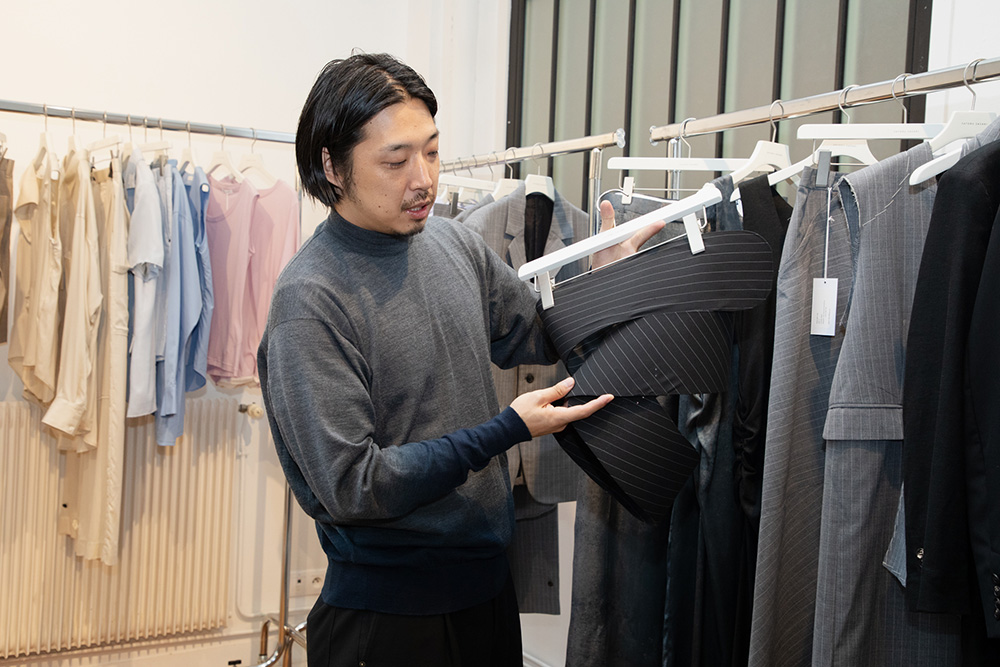
The collection theme is “birds-eye-view,” inspired by Richard Serra. Serra was an artist who created enormous works from slabs of steel and copper that viewers would step inside to experience. But when these works are viewed from above, what appears on the ground to be just sheets of metal is revealed to be drawings, forms made of lines. The collection features images inspired by his works as seen from the sky—spiral forms and slits, and colors that capture a sense of light.
You also launched a menswear collection during the 2024AW season.
Yes. The menswear line has a different concept: perfect imperfection. In other words, accepting and embracing what is imperfect. As new technologies make it possible to do just about anything, we take it for granted that things are sewn neatly, that all the details are impeccable. But I wonder if that kind of perfection is really what we should strive for. Part of my hope when I design is that we don’t become a generation defined by perfection.
How are things from a business perspective?
Since the runway show, we’ve been able to secure accounts we had hoped for—both for the women’s and men’s lines—and are seeing strong results. Internationally speaking, this is our second showroom in Paris, and we’ve had a stronger response this time around.
The shift I mentioned earlier, toward creating something more easily communicated, seems to be resonating with buyers. I also get the sense that they’re starting to carry our designs in different parts of their stores.
Your show stirred a very strong response.
I created the collection specifically for the show, so I expected a reaction, whether it was positive or not. I’d like to do another show here in Paris someday.
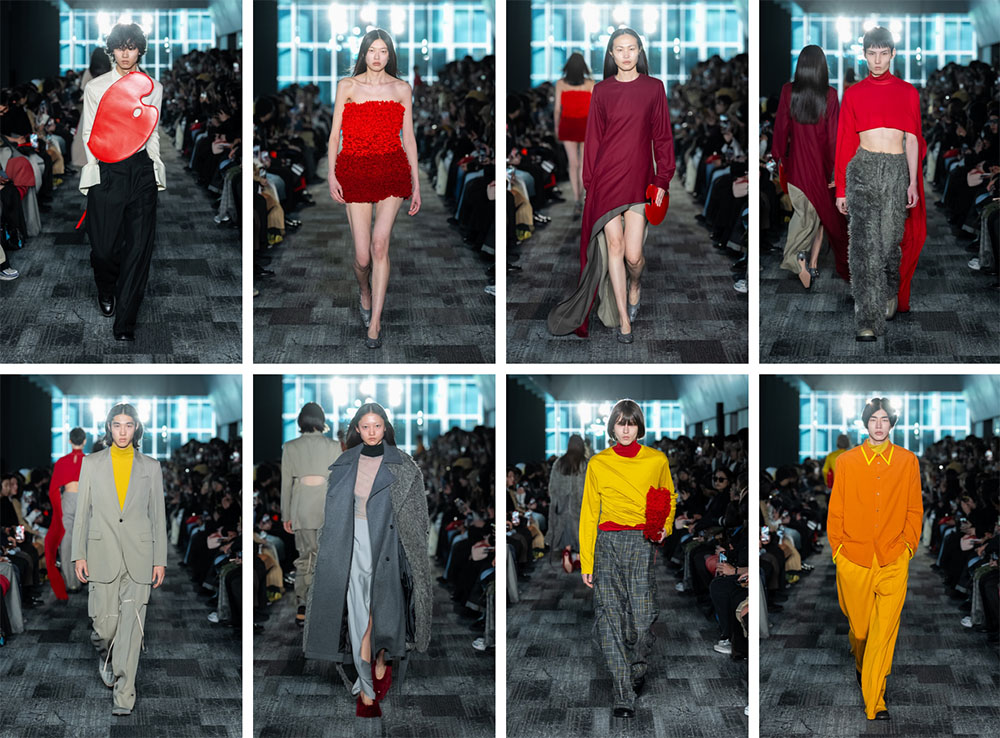
SATORU SASAKI 2025 A/W collection
What is your strategy for growing in the international market?
Ideally, the Asian market would be where we generate revenue, really see the numbers; in Japan, we’d maintain a steady presence; and in Europe, we’d limit our stockists to a select few of the very best. Something else I’m thinking about is how it’s so hot everywhere, including Japan. I’d like to continue experimenting with different materials and create beautifully tailored pieces from lighter materials.
Is there something you aspire to, as a designer and artist?
I’d eventually like to create a special line of showpieces. It’ll be a long time from now, but that’s something I’d like to do someday.
[Website] https://store.satorusasaki.com/
[instagram] https://www.instagram.com/_satorusasaki_/