SONIA CARRASCO
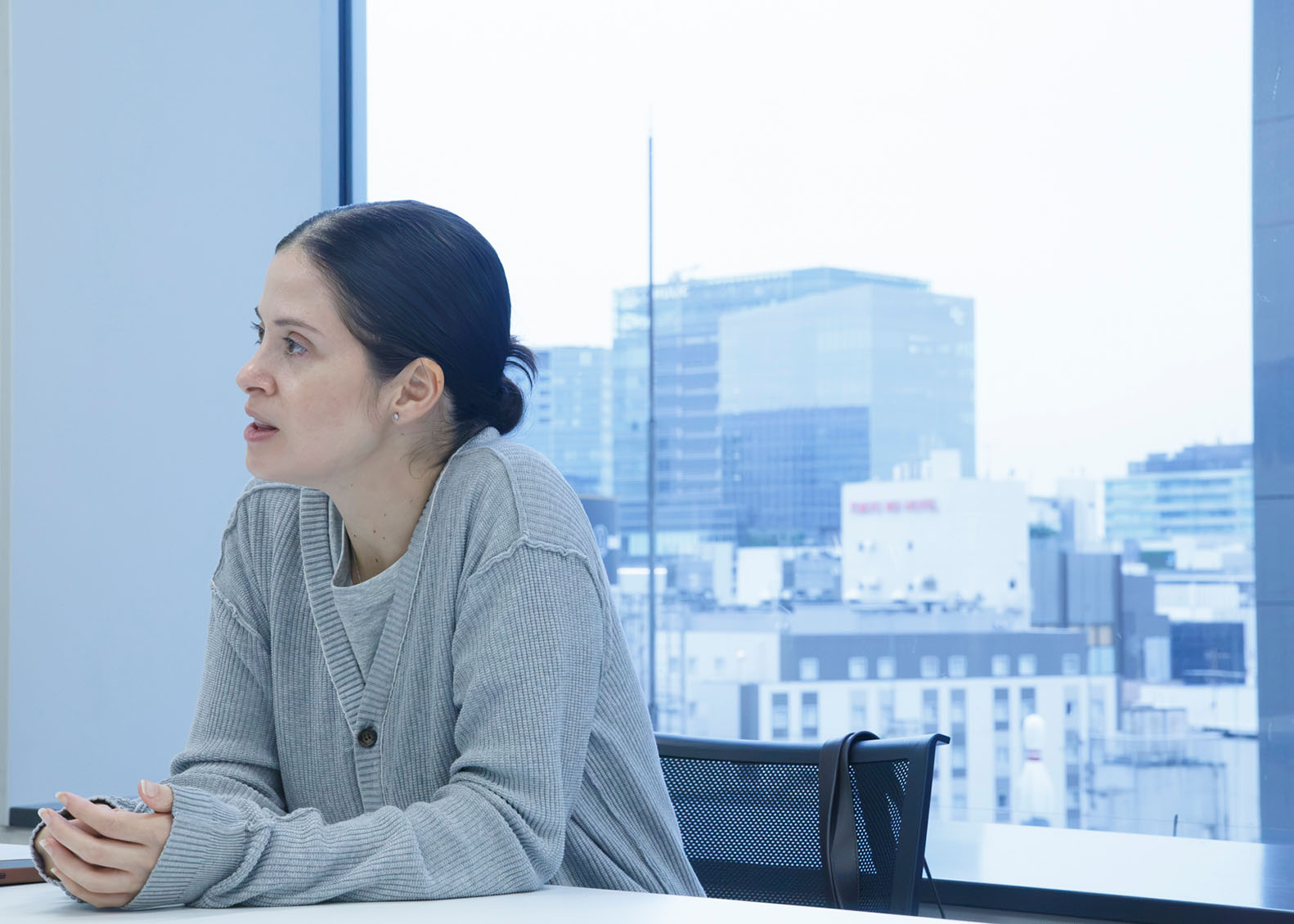
The collaboration between RUN x ANDAM FASHION AWARDS PARIS and JFWO that began in 26A/W continues this season with a runway show by SONIA CARRASCO, which also showed at Paris Fashion Week in June.
We spoke with Sonia Carrasco, a Spanish designer who launched her eponymous label in 2020 after stints at ZARA, Alexander McQueen, and Celine under Phoebe Philo. Her designs, which are widely acclaimed for their tailoring, craftsmanship, and construction, are already carried by some of Japan’s most major select shops and department stores.
──Tell us about your concept for the show here in Tokyo.
In Paris, I wanted to express my Spanish roots, so I organized the show around the ritual of “sobremesa.” Sobremesa is something people do throughout the year—a way of spending time together after a meal, drinking, talking, playing music, and simply enjoying each other’s company. I think it’s a truly restful, restorative moment in the day that encapsulates the spirit of Spain.
I’m constantly thinking about process, in many ways. For this show, I thought about how to convey the vital process of sobremesa as part of the larger experience of a meal, while also expressing Japanese style.
──Where does your sense of Japanese style come from?
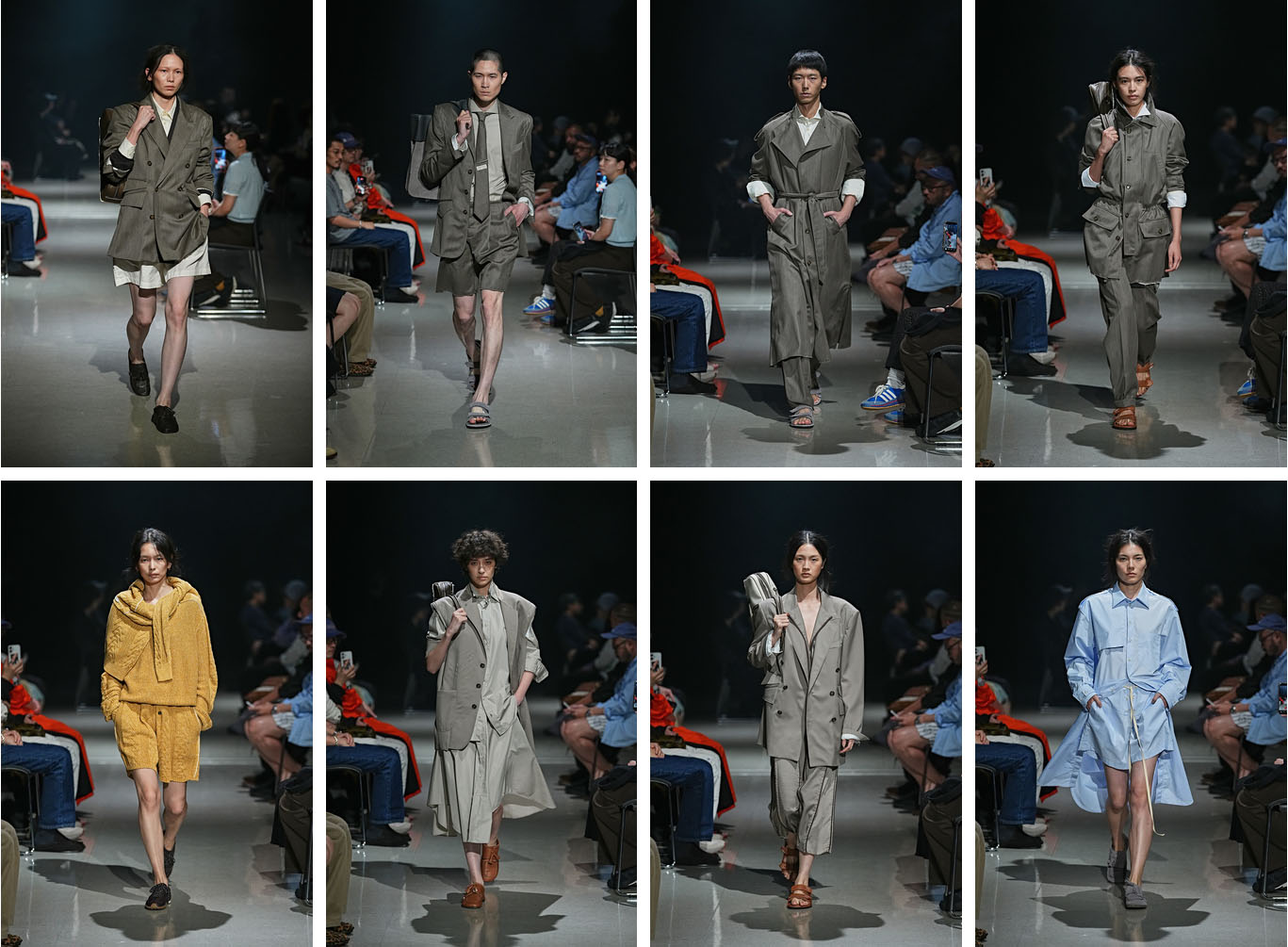
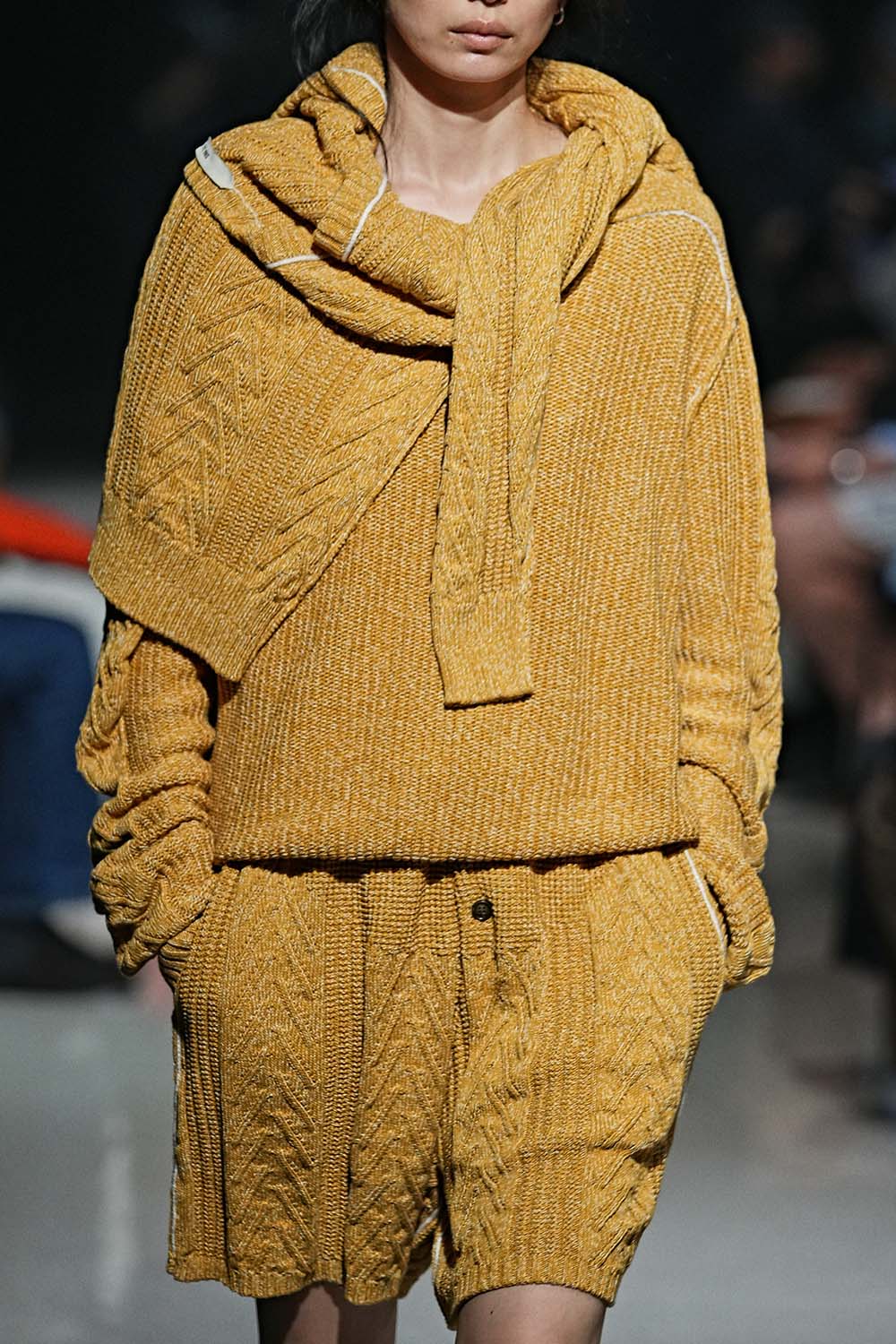
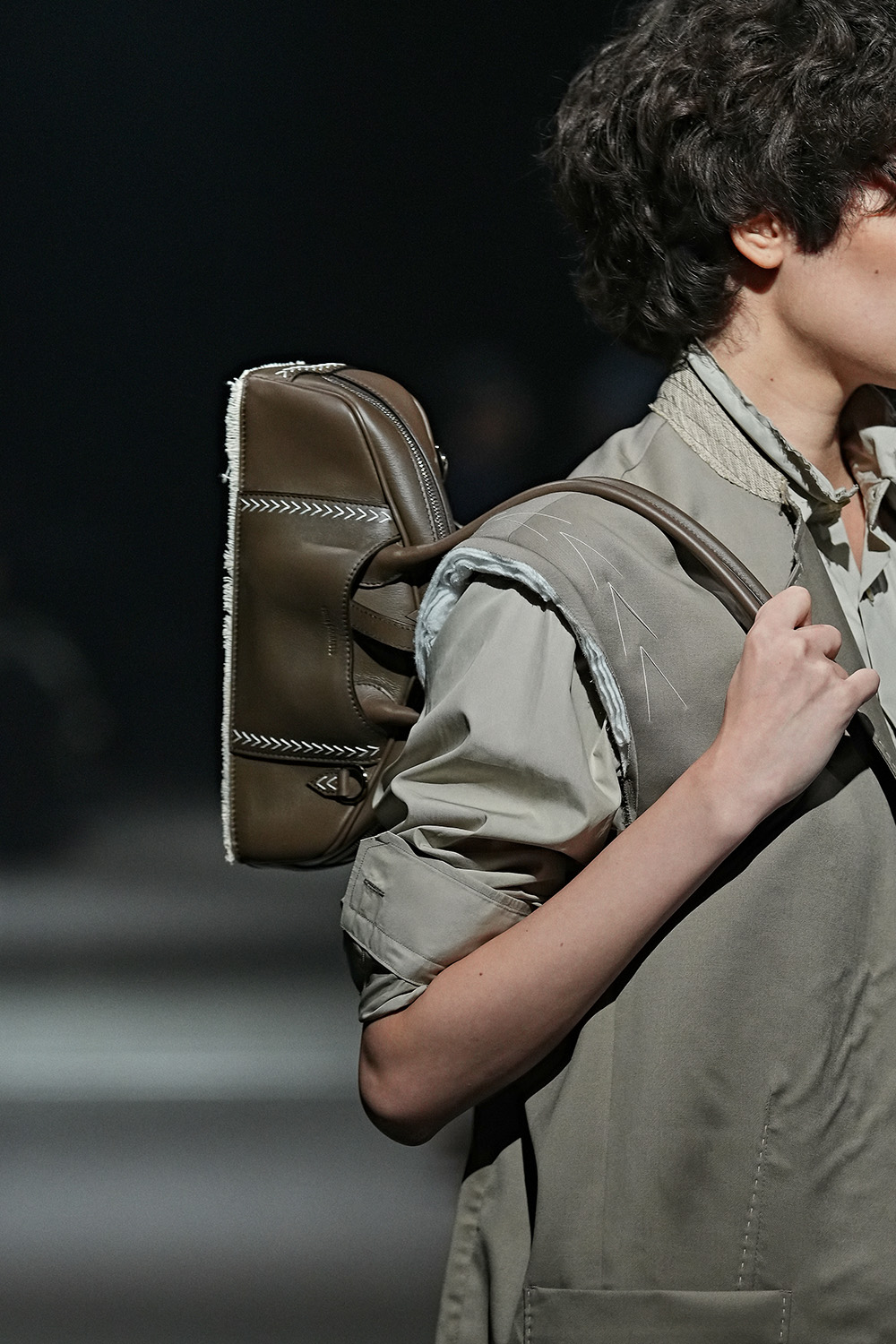
My focus is on structure itself. The concept is about combining rigidity and perfection with freer, more relaxed elements. Instead of building a traditional runway, I wanted to bring together very structural forms with highly fluid, organic elements to create a natural atmosphere. We had the models join the audience and move around freely, so that everyone could see the runway from their own unique vantage point. Each audience member had a different experience of the show, depending on where they sat, which direction they faced, or who they were with. This connects deeply to the brand’s philosophy. Our tailoring is meticulous, down to every last detail. Yet at the same time, we also make very fluid knitwear, pieces that evoke lightness and movement. I wanted to merge these two elements and present something outside the box.
──Did you make any adjustments to the styling or specific looks?
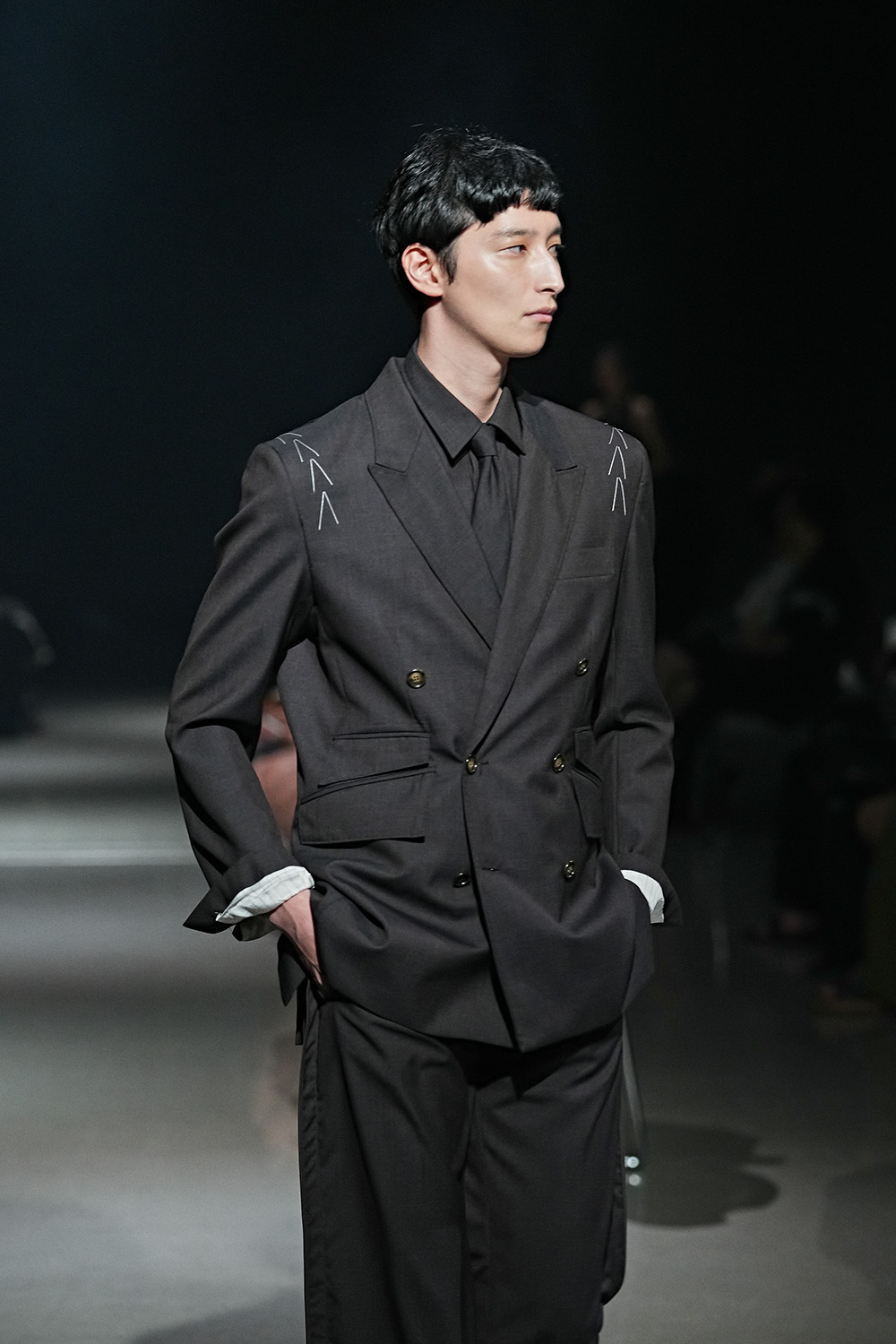
The foundational ideas haven’t changed, but I was more aware of spring. In June, the looks were styled more for summer, but this time I focused on the lingerie aspects, combined different items, and asked the models to walk very naturally so the audience could see relaxed styles within a refined atmosphere.
Rakuten Fashion Week TOKYO 2027 SS
──You’ve talked about how “process” is very important to you in your creative practice. What drives you to create?
I’m always thinking about the process through which clothes are made. I ask myself: why is this element included here, but not there? This is how I deepen my understanding of clothes. It’s not just clothing, either; my collections are inspired by exploration itself and the processes through which things come into being.
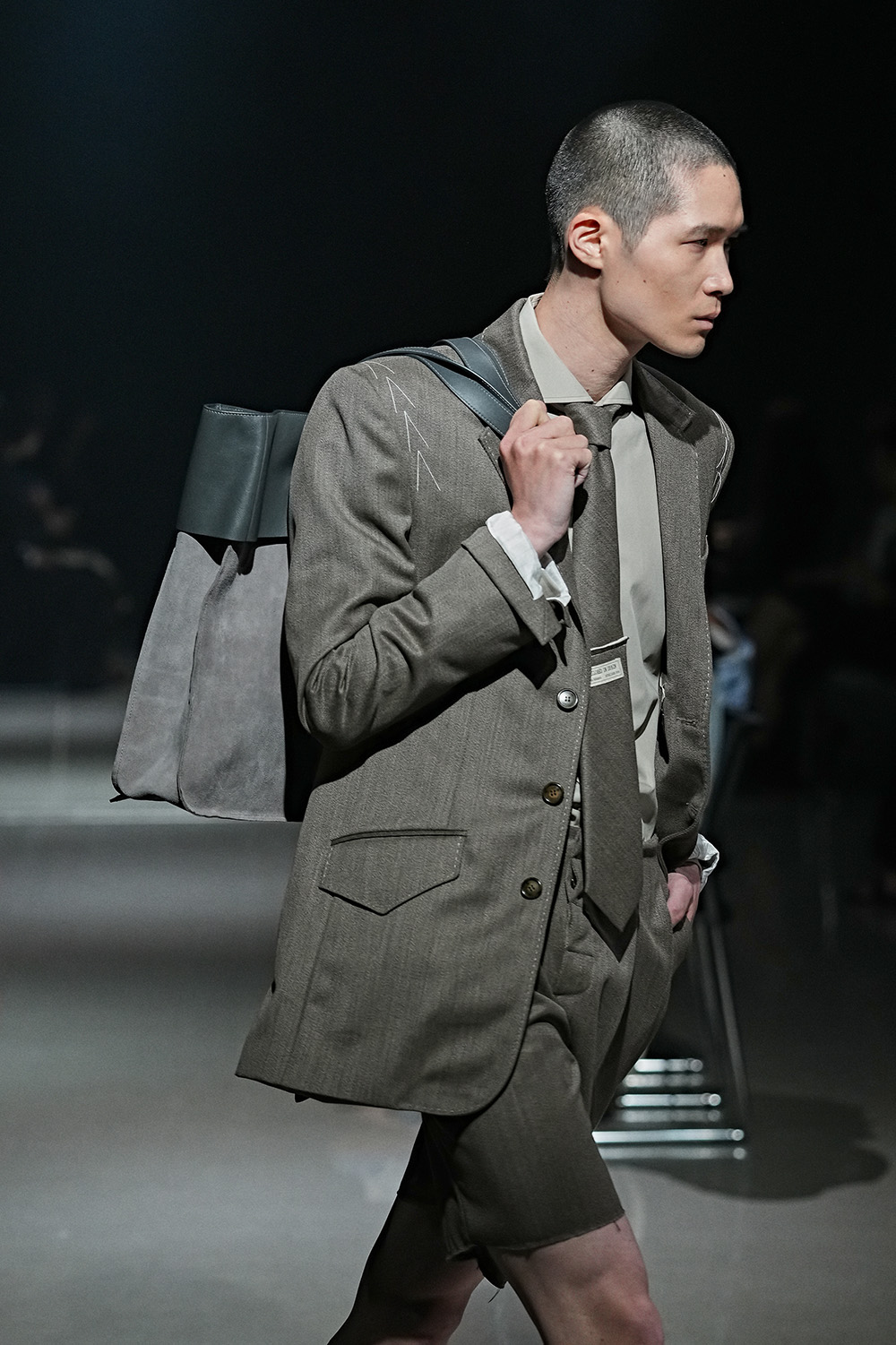
In fashion, there’s a tendency, stemming in part from social media, to focus only on images and the way something looks as a finished product. But if we turn our attention to the process of making a garment, then we can become more aware of pattern, sewing, form. Typically, you remove stitches and guides that show how to iron a piece, or mark other parts of the process, at the very end. But sometimes, leaving those guides is how you really draw out a piece’s beauty. For example, our blazers feature a V-stitch that would ordinarily be removed, but it’s details like this that can become a brand’s signature or logo.
I spend a lot of time in our factories. I love seeing and learning how artisans work, and many of my designs are inspired by these experiences. For example, I might be struck by the way clothes are hung from a rod during manufacturing and find a way to bring that element in. The collection features many designs inspired by moments like this.
──This was your first time showing outside of Europe. How has the experience been so far?
It’s been an invaluable opportunity for us to build connections in Japan. The Japanese market is our biggest, and we have a very special relationship with it. Japan has a lot of support for up-and-coming designers like us, and a strong commitment to discovering and supporting new talent.
This show in Tokyo has gone a long way toward helping us build relationships that extend beyond just having our clothes carried in stores. Now we have formed connections to a community, and we have the chance to build something special between that community and SONIA CARRASCO. I’m very happy we were able to have this deeply meaningful experience.
On a personal level, it’s also a great honor to be a guest designer at Fashion Week in Tokyo. I have so much respect for Japan’s culture, and above all, finally meeting the people who supported me from the beginning has been hugely important.
──What is your perspective on the Japanese market?
I have the impression that Japanese people are deeply cultural and attuned to details. They can tell whether something is well made, the finish is precise, the material is good, or the bottoms and attachments are high quality. They place a strong emphasis on quality, which I understand and share in my own approach to design.
I think you see this across the board here, not just in fashion but also chairs, architecture, accessories. An attention to detail, an appreciation for care, and an understanding of true value. When the clothes we create are recognized and appreciated here, where the audience is toughest, it feels like confirmation that our approach isn’t mistaken. It’s an honor to have SONIA CARRASCO stocked by wonderful shops here, and to have our clothes reach many people.

──Have you noticed any differences between the fashion weeks in Paris and in Tokyo?
In terms of having a show, definitely. In Paris, you have a lot of freedom, but for younger brands like us, that can be hard because it means you have to handle all the details yourself. In Tokyo, you have the support of a very professional team. Thanks to the wonderful production team, the preparations went smoothly, and I felt relaxed and confident. I think it’s a great system!
Japanese designers are also very unique. Inspiration and design are born from a designer’s personal experience and sensibility. I think it’s difficult for designers whose life experiences and backgrounds are shaped by different cultures to create the same thing. Designers here in Japan have something distinct that you don’t see in other parts of the world. For example, I see a lot of minimal details and forms, where everything has been stripped to its essence. I find that to be very Japanese. On the other hand, you also have designers who are extremely bold and creative, or who are pursuing a fiercely unique form of self-expression. The diversity is wonderful. Each designer has their own identity and perspective, and that, I think, is the most important thing.
──Thank you so much. Can you give a final comment to your fans in Japan?
I hope I’ll be back very soon! See you next time!
INTERVIEW by Tomoko Kawasaki
PHOTO by Harumi Obama
[Web] https://sonia-carrasco.com/
[Instagram] https://www.instagram.com/soniacarrascoofficial